



Apartment living doesn’t mean giving up on the idea of having a dog, it just means you need to be extra considerate about finding the right breed. And in any case, square footage matters far less than training, temperament, energy levels, and how well a dog handles indoor life. Pick the right breed (or mix), and an apartment can feel just as comfortable as a house with a yard.
Most apartment problems with dogs don’t come from the living space itself. They come from mismatches. Dog breeds that require constant stimulation, vocalize at every noise, or struggle to settle indoors will feel out of place fast. On the flip side, plenty of breeds thrive in smaller spaces when their needs line up with the environment, and that includes pups of all sizes, even gentle giants.
A few factors matter more than anything else when it comes to deciding on the best dog breeds for apartment living:
Before discussing which are the best dog breeds for an apartment and locking in your top breed choices, zoom out and objectively look at your actual lifestyle:
All these answers matter more than the breed list itself, so make sure to really ‘audit’ your lifestyle — you owe it to your future pup.
This is especially important if you’re adopting a mixed-breed dog. Mixed dogs make incredible companions, but guessing their future size, energy level, or behavior based on looks alone is risky. Knowing what breeds are in the mix gives you a much clearer picture of what to expect as they mature.
A quick scan with PetsyDNA’s AI breed identifier can help you understand your pup’s breed makeup and uncover its likely behavior traits, adult size, and energy needs.
And if you’re still in the decision phase, its new Breed Selector feature makes things easier by matching breeds to your lifestyle using AI-driven, data-backed signals.
Small dogs get recommended for apartments all the time, but the truth is, only some of them are actually built for it. The best small dog breeds for apartment living have one key trait in common: they’re genuinely okay with a slower pace of living. These breeds mix a manageable size with calmer indoor behavior, and that’s what makes apartment life sustainable long-term — not just the fact that they’re small.
French Bulldogs are about as apartment-friendly as it gets. They’re compact, usually quiet, and naturally low-energy indoors, so they don’t feel overwhelming in a smaller place.
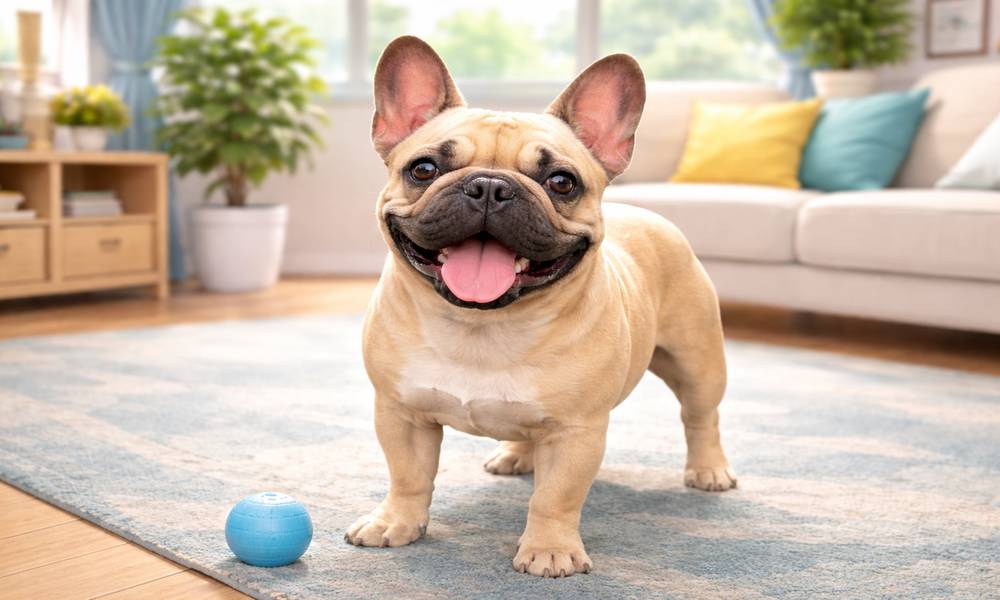
Frenchies don’t need marathon walks or constant entertainment — short outings, a bit of play, and plenty of human company will get the job done. They’re also less reactive to hallway noise, doors closing, or traffic sounds than many other small breeds, which is a serious bonus in busy buildings and neighborhoods.
Fun fact: French Bulldogs can sleep up to 14 hours a day — often in some very questionable, but hilarious, positions.
Cavaliers are easygoing, people-focused dogs that fit nicely into apartment life as long as they aren’t left solo for long stretches. They’re happy with daily walks and gentle play but won’t nag you for intense exercise.
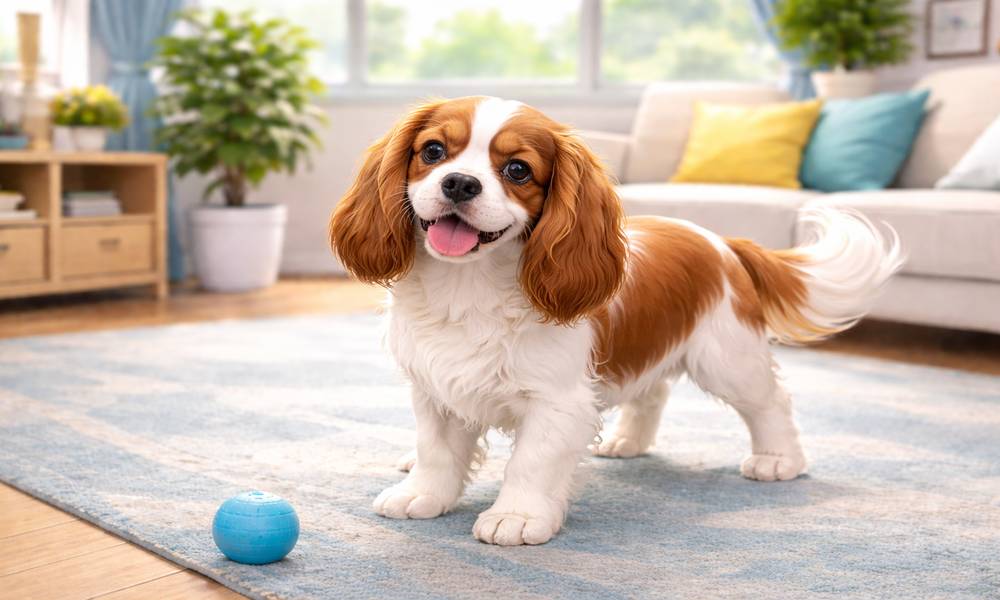
Their calm, friendly nature makes things like elevators, neighbors, and frequent visitors much less of a hassle. Cavaliers are also famously gentle with kids and other dogs, which really helps when you’re sharing common spaces.
Fun fact: Cavaliers were specifically bred to be companion dogs — they’re genuinely happiest when they’re right next to their humans (you might have to forget about ‘personal space’)!
Boston Terriers are small, sturdy dogs with a steady temperament that works well in apartments. They’re playful and social, but once their exercise box is checked, they’re perfectly fine chilling indoors for very prolonged hours.
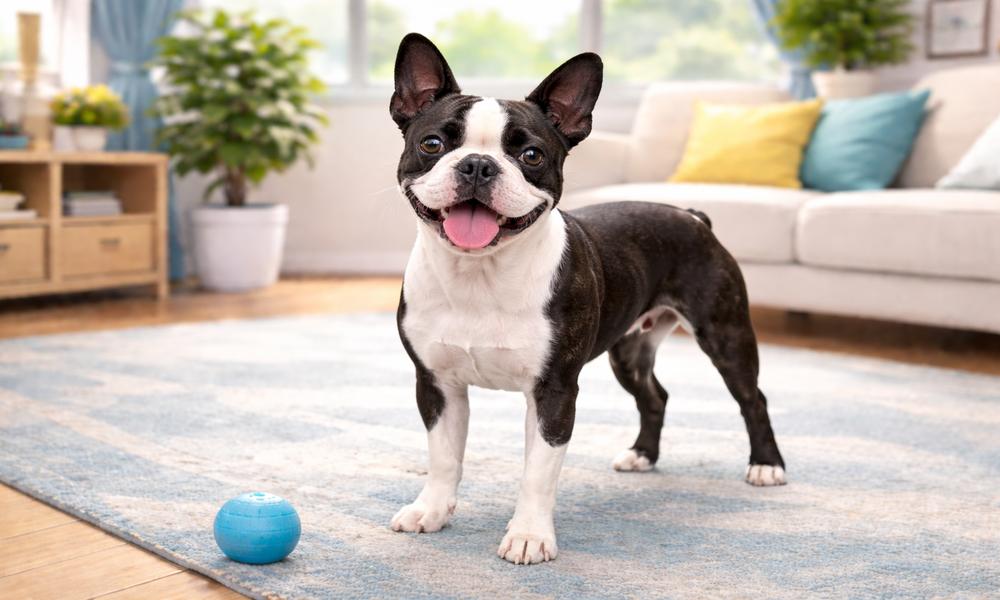
Most Bostons adjust quickly to a daily routine and are comfortable with predictable downtime at home. On top of that, they’re usually quieter than a lot of other small breeds, which your neighbors will definitely appreciate.
Fun fact: Boston Terriers hold the title of being the first dog breed developed in the United States.
Shih Tzus are classic indoor dogs. They don’t take up much space, have low exercise needs, and are more than satisfied with short walks and a bit of indoor playtime.

Their personality is typically calm, sweet, and affectionate, which fits apartment life really well. The main “project” with this breed is grooming — their coat needs consistent care, but behavior-wise, they’re one of the easiest small dogs to manage in a shared building.
Fun fact: Shih Tzus were originally bred to live inside Chinese palaces, not to patrol the outdoors, so you could say they are genetically designed to be apartment dogs.
Medium-sized dogs often surprise people when it comes to apartment suitability. A lot of them are emotionally stable, fairly low-key at home, and very capable of switching off indoors once they’ve had their daily walk and mental stimulation. So if you want a slightly bigger presence in your furry companion, let’s take a look at the best medium sized dog breeds for apartment living.
Whippets are one of the most underrated apartment dogs out there. They look like athletes (and trust us, they are), but indoors they’re calm, quiet, and very low-energy. They enjoy a daily burst of activity, like a walk or short run, and then they’re happy to stretch out and relax for hours.
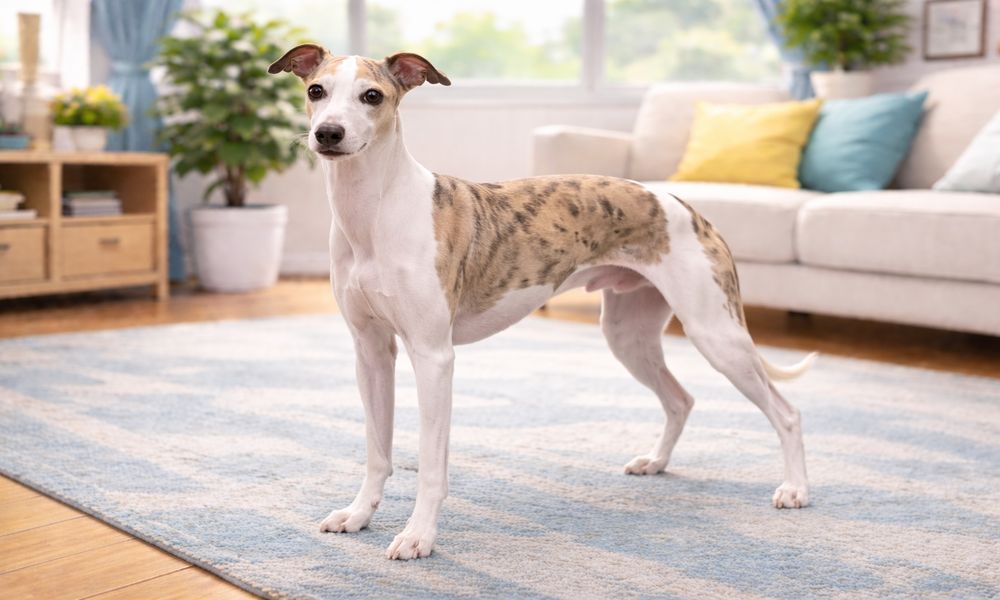
Whippets rarely bark without a reason and are usually gentle and polite with neighbors and visitors, which is ideal in a close-quarters setting.
Fun fact: Whippets are often called “couch potatoes with a turbo button” — full speed outside, full nap mode inside.
Bulldogs are slow-moving, relaxed dogs that can settle into apartment life without much trouble at all. They don’t need a lot of exercise and are perfectly content with short, casual walks and long rest periods.
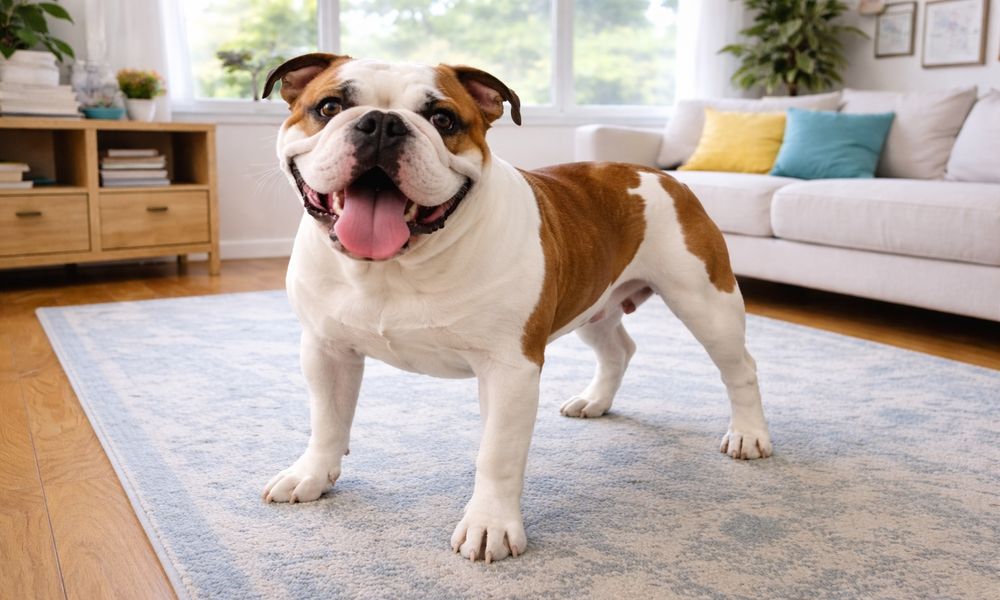
Indoors, Bulldogs are generally calm and not overly vocal, which is exactly what you want in a tight space. They can be a bit stubborn when it comes to training (and personal space), but their low overall energy makes them pretty easy to manage day to day.
Fun fact: Bulldogs tend to be very quiet and chill creatures, but they are known to be some loud snorers!
Basset Hounds might look a bit big for apartments at first glance, but their energy level tells the real story. They’re laid-back, low-key dogs that prefer unhurried walks and lots of lounging around.
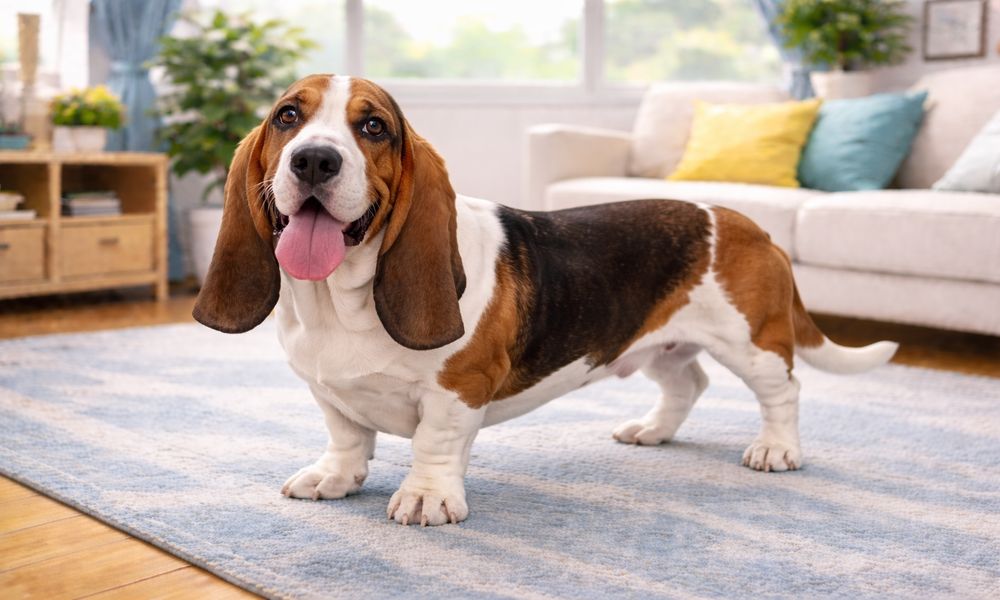
Yes, they can be stubborn, especially if they catch an interesting scent, but they’re not hyper and generally handle indoor living well if they get regular, gentle exercise. Their calm, unhurried nature makes them surprisingly solid apartment companions.
Fun fact: Basset Hounds have one of the strongest scent-tracking abilities in the dog world.
Cocker Spaniels are flexible, easygoing dogs that handle apartment life well as long as they get proper exercise and mental stimulation. They love being active outside, but once that box is ticked, they’re happy to settle and relax indoors.
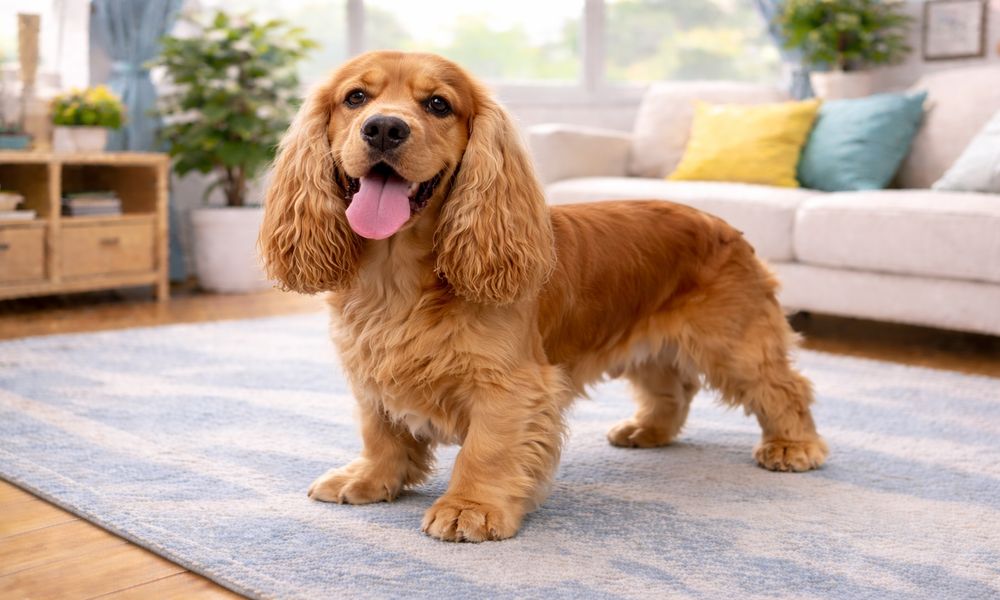
Cockers are very people-focused and build strong bonds with their owners, which makes it much easier to keep steady daily routines and structure in a smaller apartment space.
Fun fact: Cocker Spaniels started as hunting dogs and later became one of the most popular family indoor companions ever.
Large dogs and apartments don’t automatically clash, despite contrary belief. In fact, some of the calmest, quietest dogs you’ll ever meet are giant breeds that simply don’t need much indoor stimulation and are perfectly content with a slower pace at home. If you dream of getting a gentle giant, here are the best large dog breeds for apartment living.
Greyhounds are easily one of the most apartment-compatible large breeds. They’re gentle, quiet, and famously low-energy when they’re indoors. Despite their racing history, they only need moderate daily activity, and then spend most of the rest of the day napping or quietly hanging out.
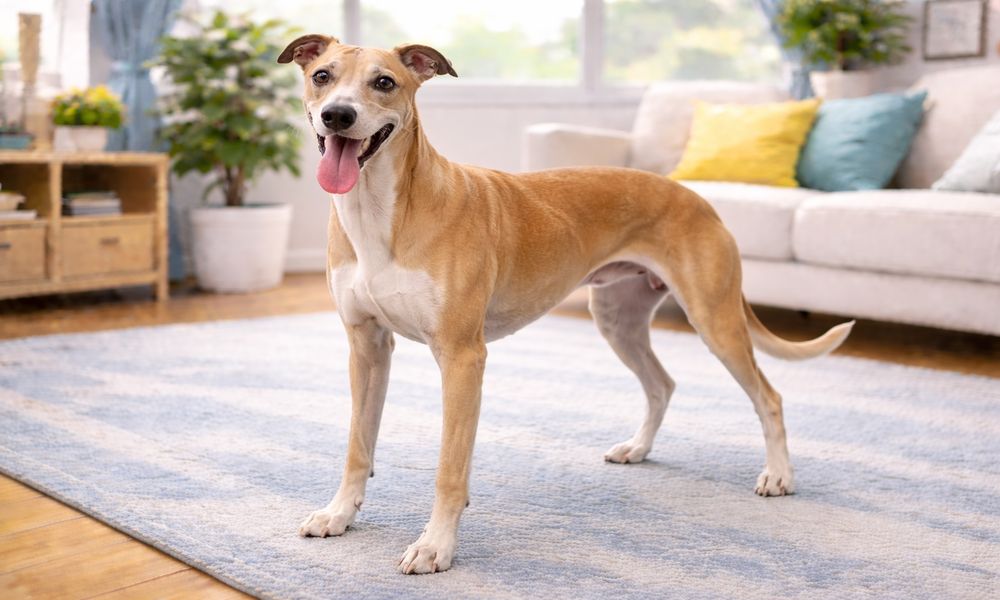
Greyhounds are usually reserved but polite with strangers, which works really well in shared hallways, elevators, and other common areas.
Fun fact: Retired racing Greyhounds often slide into apartment life with almost no adjustment period.
Great Danes are huge, no question, but from a behavior standpoint, they can be surprisingly easy to live with in an apartment. They’re calm, slow-moving, and don’t usually demand intense exercise.
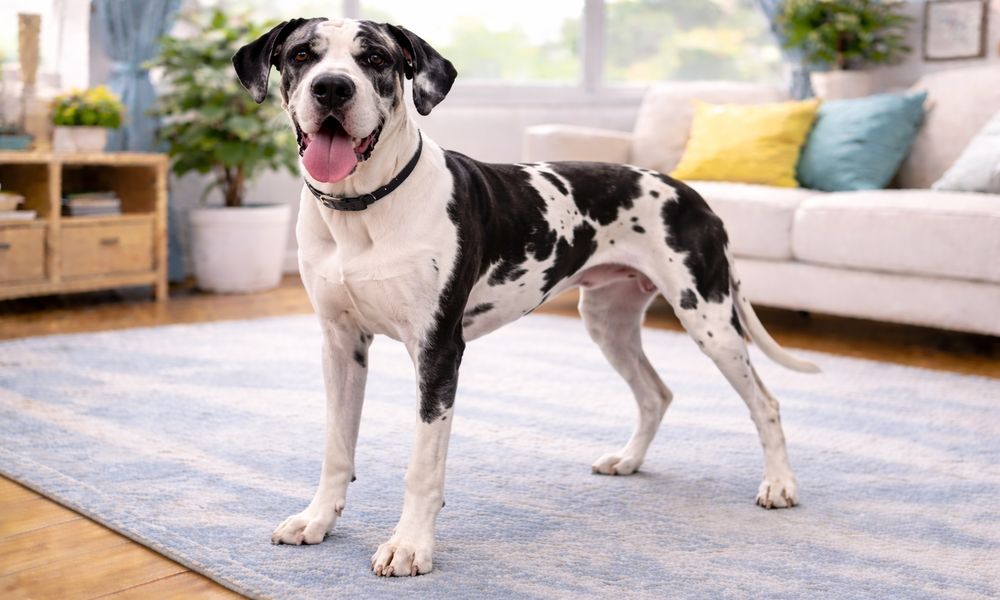
As long as they get their daily walks and have enough room to stretch out, they’re generally very content indoors. Their size does require a bit of planning, especially around furniture and doorways, but personality-wise, they adapt very well.
Fun fact: Despite their size, Great Danes are among the lowest-energy large breeds and are often calmer indoors than many medium-sized dogs.
Bernese Mountain Dogs are affectionate, stable, and very people-centered. They can handle apartment life if you’re consistent about exercise and don’t leave them alone for long stretches.
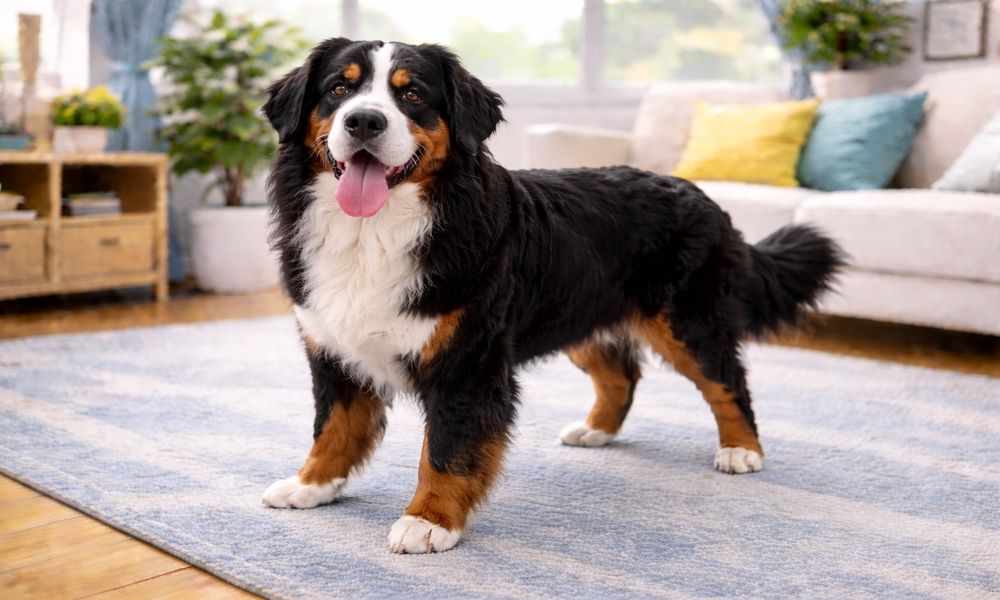
Berners tend to be calm indoors and usually don’t overreact to everyday building noise. They’re more comfortable in cooler climates, and they do best with clear routines and predictable days. Being slightly more social than other breeds mentioned, Berners will be much better off if there’s someone else living with you to give them a bit of extra love while you’re gone.
Fun fact: Bernese Mountain Dogs were originally bred to work side by side with humans, which is why they form such strong, loyal bonds.
Even the best dog breeds for apartment life tend to have their own challenges, but luckily, none of them are hard to manage, especially if you stay proactive:
So, which dog breeds are best for apartment living? Well, the truth is that your exact lifestyle and routine will determine that answer more than any guide. However, the pup breeds in this guide are considered to be the happiest with compact living environments, so it’s a great place to start.
Apartment living doesn’t limit great dog ownership, but poor matches do. Focus on temperament, energy, and compatibility instead of stereotypes.
When you pick a dog that matches your lifestyle, space becomes an afterthought. With solid information and some basic planning, living in an apartment with a dog can work really well.



Getting your first dog is one of those precious life moments that sticks forever. It’s exciting, emotional, and, if we’re honest, a little stressful. You go from “I want a pup” to “Okay, now I’m responsible for an actual living creature” pretty fast. Type “what are the best dog breeds for first time owners” into […]

Bringing a dog into a family with kids isn’t a light decision. You’re not just choosing a pet. You’re adding a new family member that will completely grow alongside them, be their friend, and guardian. They will fully affect your daily life — mornings, chaos, noise, quiet evenings, bad moods, good moods, all of it. […]

Life is busy — but that doesn’t mean you can’t have a dog. Most people who say “I’d love a dog, but I’m just too busy” aren’t making excuses. They’re just trying to be realistic and thoughtful about having a new pup join the family. Long days at work, full calendars, mental overload, and not […]

When people ask “what’s the largest dog breed?”, they’re rarely talking about the same thing. Some picture a dog that’s almost eye-level when standing next to them, while others think of raw body weight. You know, the kind of dog that feels like a sandbag when it leans on your leg. On top of that, […]

People love debating what’s the strongest dog breed. Sometimes it’s just out of curiosity, other times it’s a pet owner trying to understand why their sweet little furball can pull 10 times their weight like a freight train. And here’s the thing, strength isn’t just about size. We have to take into account bite force, […]

Some dogs are perfectly built for couch snuggles and lounging. Others? Built like furry four-legged rockets. If you’ve ever seen one of these breeds take off, you know the feeling — you merely blink, and they’re already gone, leaving nothing but a rush of air behind them. Centuries of selective breeding, instinct, and muscle memory […]

Some dogs make you smile. These ones make you stare. There’s just something captivating and majestic about the gentle giants — dogs so big they look like they stepped straight out of a fairy tale. Yet behind all that size, you’ll rarely find anything but kindness. Anyone who’s been lucky enough to meet some of […]