



People love debating what’s the strongest dog breed. Sometimes it’s just out of curiosity, other times it’s a pet owner trying to understand why their sweet little furball can pull 10 times their weight like a freight train.
And here’s the thing, strength isn’t just about size. We have to take into account bite force, muscle structure, stamina, and the “job” each specific breed was created to do. A lot of mixed breeds carry that same raw working DNA too, even when it’s not obvious at first glance.
Without further ado, let’s take a closer look at the top contenders for the strongest dog breed in the world.
Before we dive into the top heavy hitters, let’s break down what “strong” actually means. There are countless strength rankings online, but most of them are oversimplified because real strength comes from multiple core traits:
And this is where it gets interesting — a dog’s genetic background is the driving force behind many of these traits. Looks don’t always tell the full story.
A mixed-breed dog might have guardian, herding, or sled-dog lineage hiding under the surface, which would explain the unexpected strength or work drive many owners notice over time.
That’s why it’s often very helpful to understand your dog’s exact breed makeup. A quick photo scan with PetsyDNA’s AI breed identifier gets the job done, giving owners a clearer picture of their dog’s real breed mix, and helping them better understand their behavior and tendencies.
As there are multiple factors that contribute to a dog’s strength, most notably bite force and muscle mass, we made sure to take all of them into account when curating our lineup.
Now it’s time to get to know our top 8 powerhouse gentle giants, and ultimately decide what is the strongest dog breed.
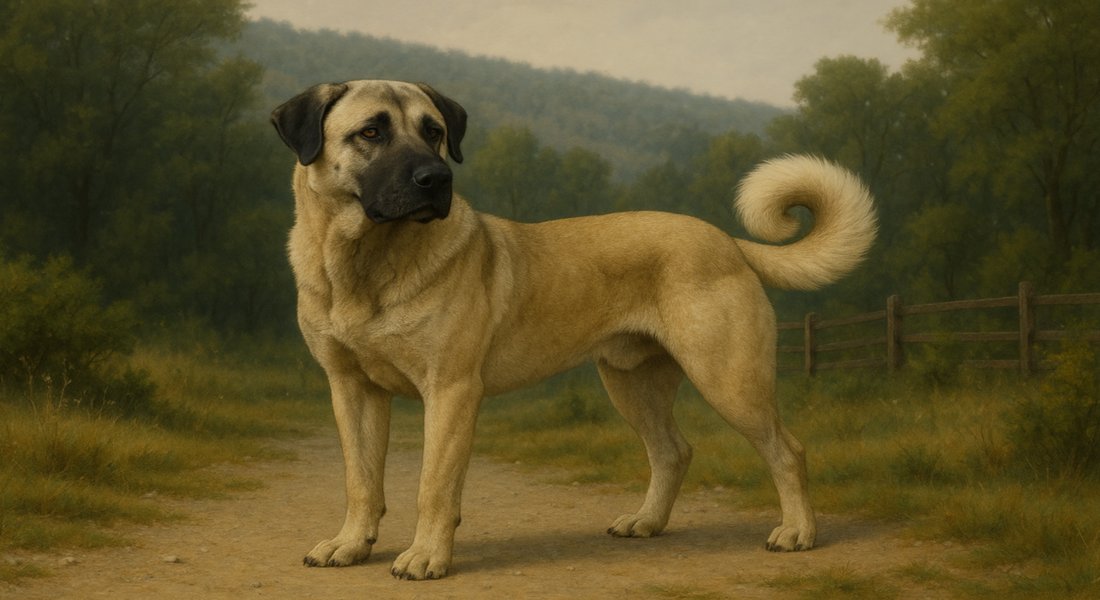
Kangals were bred in rural Turkey to protect livestock from wolves, which perfectly explains their calm confidence and serious physical ability. They’re not chaotic or reactive in the slightest. Instead, they are working dogs built to make fast, decisive moves when something threatens their territory.
Even when they’re standing still, they have that “nothing is getting past me” presence. And when they do act, the power behind it is unbelievable. You understand why farmers trust them with entire herds.
Fun fact: In traditional Turkish villages, until this day, Kangals often patrol open fields without any fences, masterfully protecting entire herds on their very own.
Strength profile: Kangals typically weigh 90-145 lbs and have one of the highest reliably measured bite forces (~700 PSI). Their strength comes from huge neck muscles, broad jaws, and explosive forward drive suited for guarding work. If you ever wondered what dog breed has the strongest bite force, Kanglas are a clear winner.
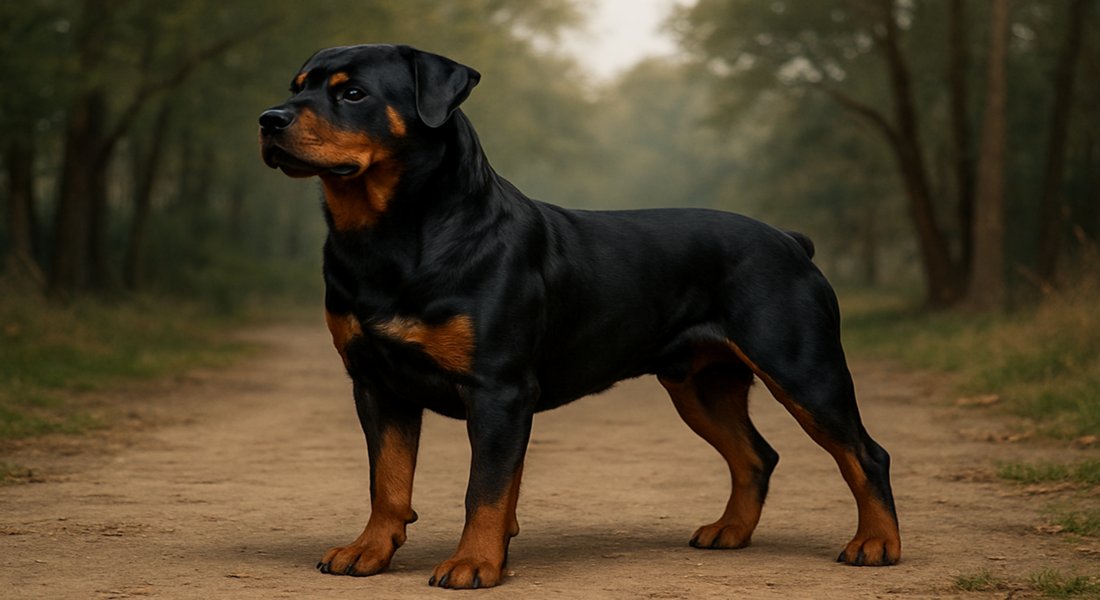
Rottweilers were made for real labor (driving cattle, pulling carts, guarding valuables), and that history shows in every part of their build. They’re powerful without being sloppy, muscular without losing agility. A well-trained Rottie moves like it knows exactly where its strength is and how to use it. That mix of power and control is why they’re still trusted in protection and service roles today.
Fun fact: Rottweilers excel in cart-pulling sports, often outperforming larger breeds.
Strength profile: Most Rottweilers weigh 80-135 lbs, with dense muscle and serious pulling strength. Their broad chest, thick neck, and compact hindquarters create exceptional leverage and stability during high-pressure tasks.
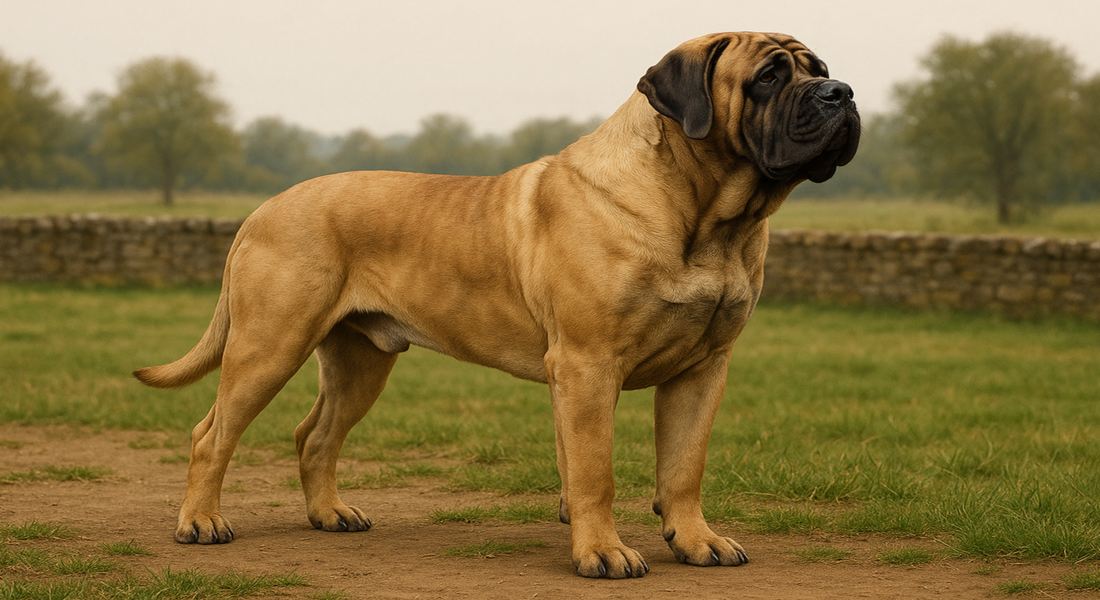
English Mastiffs, Bullmastiffs, and Tibetan Mastiffs don’t rely on speed. Their strength comes from pure presence and mass. These dogs were bred to stand their ground against human intruders or large predators, and they still carry that “solid wall” energy today. They can restrain, block, and pin with almost no effort. Even gentle mastiffs feel like they’re built from different material than other large breeds.
Fun fact: The heaviest documented dog in the world was an English Mastiff — over 340 lbs …more than many small lions!
Strength profile: Mastiffs usually weigh 120-230+ lbs. Their power comes from massive bone structure, deep chests, and thick musculature, making them exceptional at physical restraint and guarding.
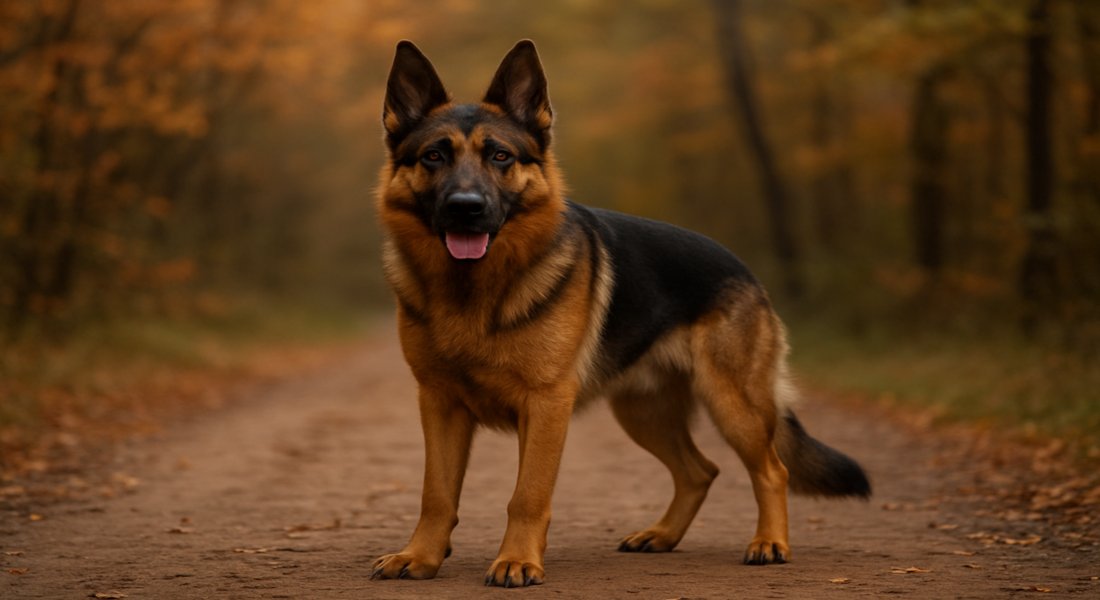
German Shepherds are the definition of functional strength — they’re not the heaviest, not the strongest biters, but incredibly capable across every category. They sprint, jump, track, bite, and problem-solve all in the same shift.
That balance is why they dominate police and military work worldwide. You can watch a GSD launch into a jump or push through an obstacle and immediately see how their strength is wired for real tasks, not just majestic looks.
Fun fact: Elite sport-line Shepherds routinely clear 10-foot jumps during competitions.
Strength profile: Weighing 60-90 lbs, GSDs combine muscular hindquarters, strong jaws, and Olympic-level athletic drive. Their power shows in agility, controlled bite work, and endurance.
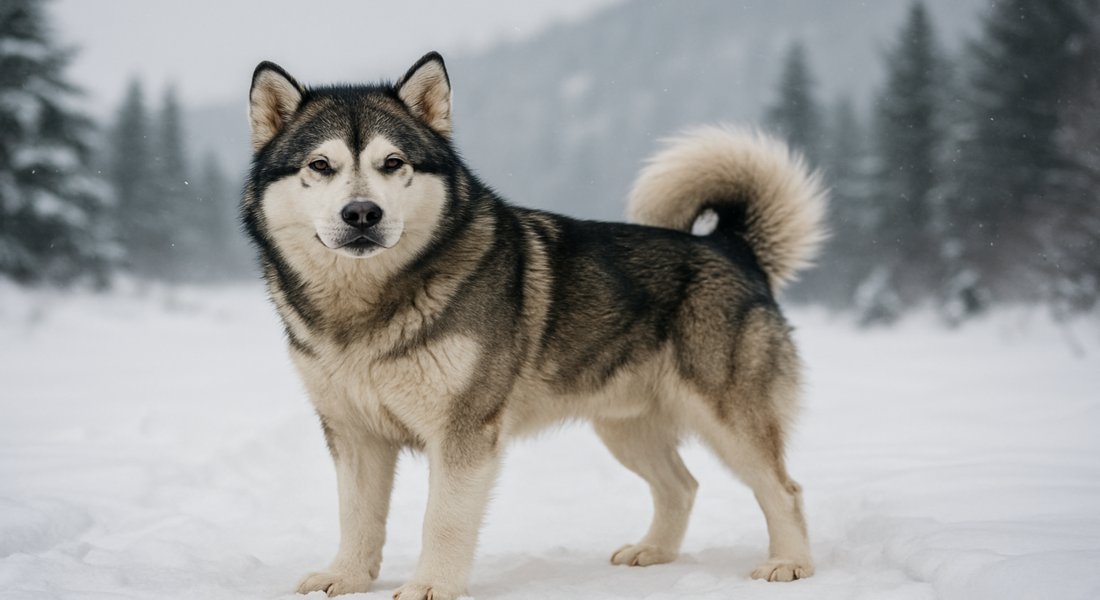
Malamutes are the freight haulers of the north. Yes, slower than Huskies, but far stronger as a creature. They were built to pull heavy loads through snow and ice, which demands both brute strength and incredible stamina.
And when you see one move, you get it instantly. There’s a quiet, almost effortless power in the way they dig in and drive forward. They’re not flashy, just brutally effective at the job they were created for. Well, and they look like wolves, which is pretty spectacular.
Fun fact: A Malamute once pulled over 3,000 lbs in a weight-pull event.
Strength profile: At 75-100 lbs, Malamutes have thick forequarters, powerful shoulders, and strong back muscles, giving them top-tier pulling strength among working breeds.
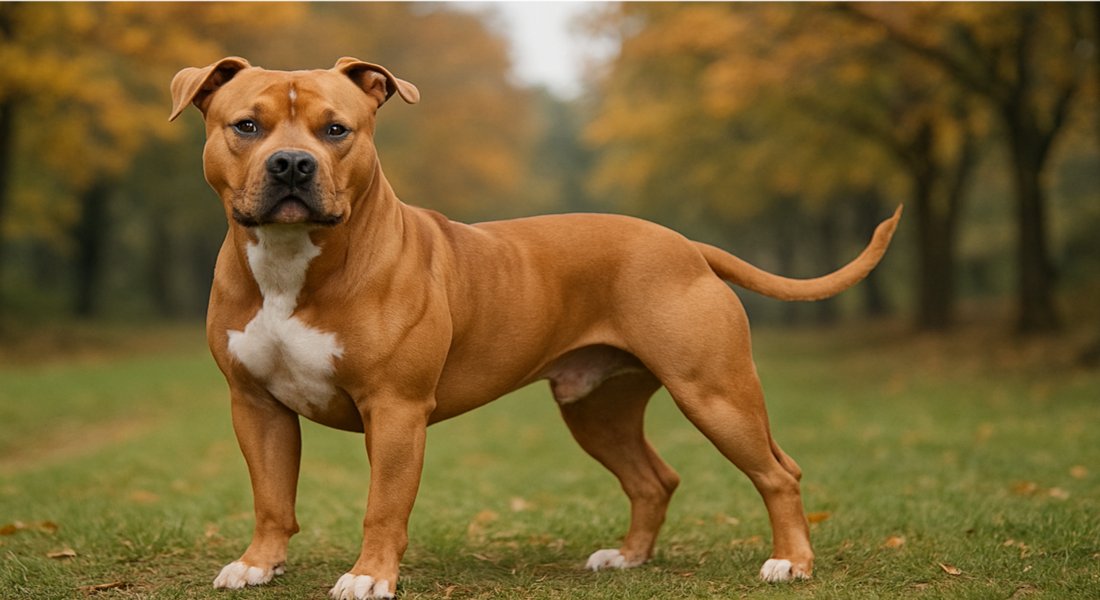
Pit bull-type dogs are pound-for-pound some of the strongest domestic dogs out there. They’re compact, athletic, and incredibly muscular without carrying excess bulk.
They were bred for grip, agility, and stamina — a combination that makes them shockingly powerful for their size. Not oversized, not lumbering, and not the strongest dog breed bite, just efficient, explosive strength, and incredible protective instincts.
Fun fact: Pit bull-type breeds consistently score well in standardized temperament tests.
Strength profile: Typically 30-70 lbs, they have exceptional muscle-to-weight ratios, strong jaws, and high drive. Their strength shows in explosive bursts, agility, and tenacity.
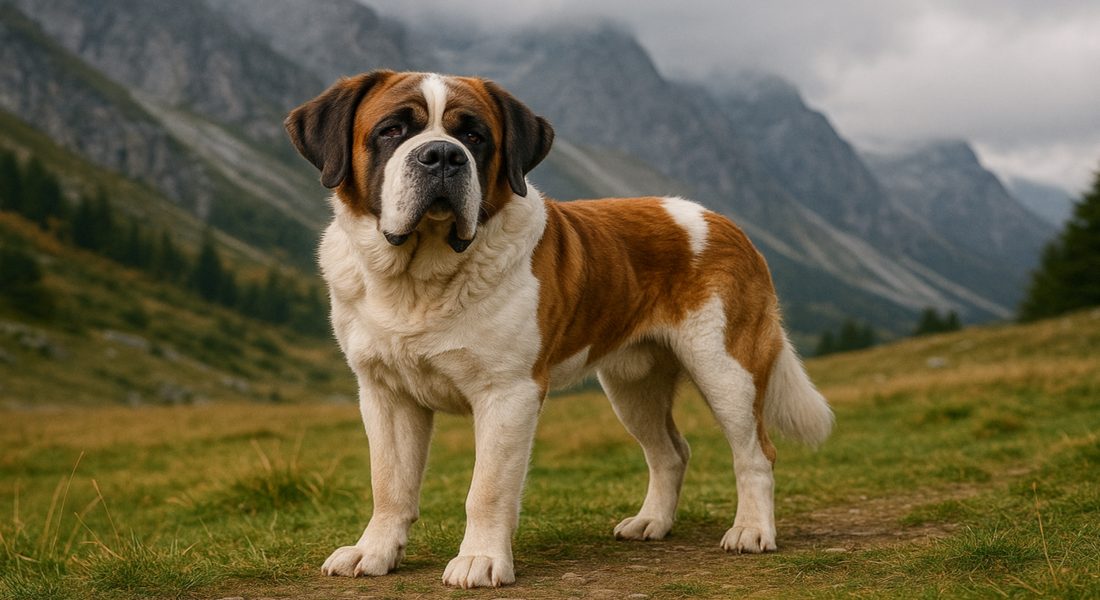
Saint Bernards were bred to work in conditions that break most dogs — deep snow, thin air, steep mountain passes. Their strength isn’t about aggression but rather channeled towards hauling weight, finding people, and moving through terrain that would stop almost anything else.
They’re incredibly gentle by nature, but you feel the power immediately when they shift their weight or push into a climb. Everything about them is built for toughness and endurance, not for show.
Fun fact: Saint Bernards historically worked at the Great St. Bernard Hospice, where they helped rescue travelers trapped in Alpine storms for centuries.
Strength profile: Weighing at around 120-180 lbs, they have broad chests, massive lungs, and strong limbs built for pulling, stability, and long-duration work in harsh mountain environments. Their greatest strength is their genetic, rescue-focused power.
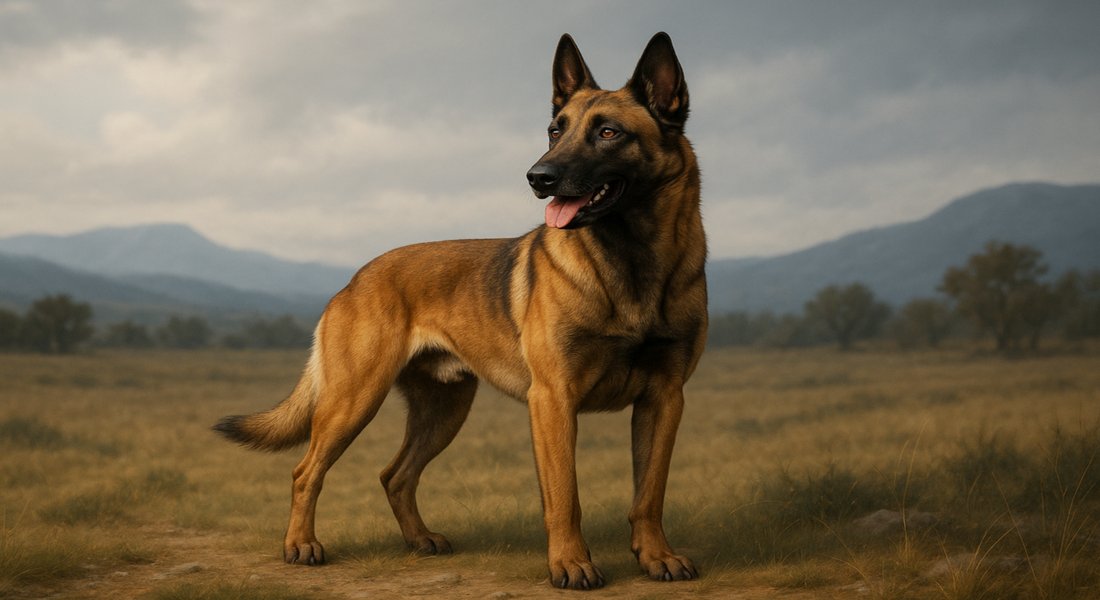
The Malinois is all precision and drive. They’re lighter than German Shepherds but more explosive, with speed and vertical power that almost doesn’t look real when you see it up close.
Everything they do has intent behind it, no wasted motion, no hesitation, which is why elite military and police units rely on them in combat. They’re wired for work that demands accuracy, control, and a level of athleticism most breeds can’t even touch.
Fun fact: A Malinois named Cairo assisted SEAL Team Six on the Bin Laden mission.
Strength profile: At 45-75 lbs, Malinois rely on lean muscle, spring-like hindquarters, and high nerve strength. Their power comes from agility, acceleration, and pinpoint bite control.
The irony with strong breeds? They’re usually the most calm and stable ones — if the owner knows what they’re doing. They were designed to think clearly under pressure, not to fly off the handle. Problems only show up when serious physical strength gets paired with zero structure or training.
A guardian breed is wired to watch doors, windows, and the perimeter. A herding breed will naturally “manage” movement, be it with kids, other pets, joggers, or bikes. A sled dog feels that pull instinct in their bones and will happily drag you down a trail all day.
Where things go wrong is when the environment doesn’t match the dog. Some people get a high-drive, powerful dog, give it no job, no outlet, and no training, and then wonder why it’s restless, reactive, or hard to control.
Mixed breeds follow the same rules. If your dog has herding, guarding, or working DNA in the background, those instincts don’t disappear just because they look like a generic “family dog.”
Knowing the breed mix makes training much easier, which is why even a quick scan with PetsyDNA’s AI breed identifier can lead to fewer surprises and a smarter, safer approach to raising a powerful dog.
Talking about who takes the crown as the strongest dog breed is fun, but strength comes in different shapes: bite force, mass, endurance, or athletic drive. So it’s just as important to ask what dog breed has the strongest bite force, what has the most pound-for-pound strength, and so on.
But what really matters is matching a dog’s natural abilities with the right environment, training, and understanding what their genetics were designed to do.
Every dog has strengths, some obvious, some more hidden. And once you understand where your dog’s instincts come from, everything else gets a lot easier. Training, expectations, bonding — all of it.



Getting your first dog is one of those precious life moments that sticks forever. It’s exciting, emotional, and, if we’re honest, a little stressful. You go from “I want a pup” to “Okay, now I’m responsible for an actual living creature” pretty fast. Type “what are the best dog breeds for first time owners” into […]

Bringing a dog into a family with kids isn’t a light decision. You’re not just choosing a pet. You’re adding a new family member that will completely grow alongside them, be their friend, and guardian. They will fully affect your daily life — mornings, chaos, noise, quiet evenings, bad moods, good moods, all of it. […]

Life is busy — but that doesn’t mean you can’t have a dog. Most people who say “I’d love a dog, but I’m just too busy” aren’t making excuses. They’re just trying to be realistic and thoughtful about having a new pup join the family. Long days at work, full calendars, mental overload, and not […]

Apartment living doesn’t mean giving up on the idea of having a dog, it just means you need to be extra considerate about finding the right breed. And in any case, square footage matters far less than training, temperament, energy levels, and how well a dog handles indoor life. Pick the right breed (or mix), […]

When people ask “what’s the largest dog breed?”, they’re rarely talking about the same thing. Some picture a dog that’s almost eye-level when standing next to them, while others think of raw body weight. You know, the kind of dog that feels like a sandbag when it leans on your leg. On top of that, […]
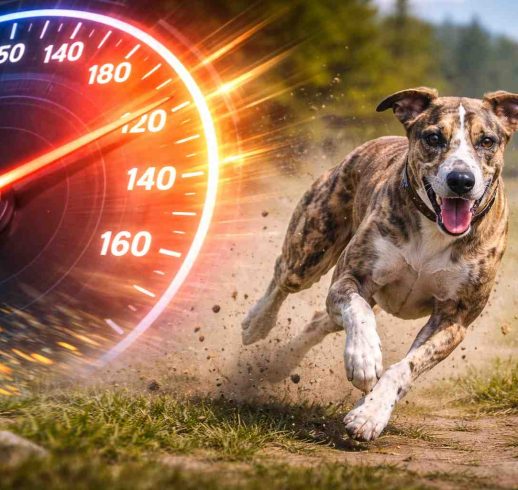
Some dogs are perfectly built for couch snuggles and lounging. Others? Built like furry four-legged rockets. If you’ve ever seen one of these breeds take off, you know the feeling — you merely blink, and they’re already gone, leaving nothing but a rush of air behind them. Centuries of selective breeding, instinct, and muscle memory […]

Some dogs make you smile. These ones make you stare. There’s just something captivating and majestic about the gentle giants — dogs so big they look like they stepped straight out of a fairy tale. Yet behind all that size, you’ll rarely find anything but kindness. Anyone who’s been lucky enough to meet some of […]