



When people ask “what’s the largest dog breed?”, they’re rarely talking about the same thing.
Some picture a dog that’s almost eye-level when standing next to them, while others think of raw body weight. You know, the kind of dog that feels like a sandbag when it leans on your leg.
On top of that, giant breeds don’t just differ in size. They all come with their own set of unique quirks, including very specific temperaments, behavior patterns, health risks, and day-to-day care.
In this short guide, we’ll unpack how experts actually define “large” dogs, what is the largest dog breed based on height vs weight, and the unique perks and challenges of bringing one of these gentle giants into your home.
Vets, researchers, and kennel clubs don’t just eyeball it — they classify dog breeds mainly by adult height and body weight. The exact cut-off points shift a bit depending on the source, but there’s a general pattern:
Once a dog crosses roughly 25–27 kg (55–60 lb), it usually lands in the “large” group, while breeds that routinely pass 45 kg (100 lb) get pushed into the “giant” category.
Fun fact, these large and giant breeds typically reach 50% of their adult body weight by just 4–5 months, which is considerably faster than smaller-breed puppies.
Two core measurements show up again and again: height at the shoulder and average adult body weight. The weight is used more commonly as it’s the best measurement for anything health-related, like feeding charts and medication doses.
There are often times when the eye test vs the scale don’t always agree. A dog can look enormous even if it’s not technically the tallest or the heaviest, and a few things play into that:
So when someone talks about the largest dog breed, they might be talking about the tallest at the shoulder, the one that weighs the most, or simply the one that looks the most imposing when it walks into the room.
In any case, knowing your pup’s breed makeup is quite important as it gives an idea of how big they will grow, their unique behavioral tendencies, and how to structure their training and care from an early age.
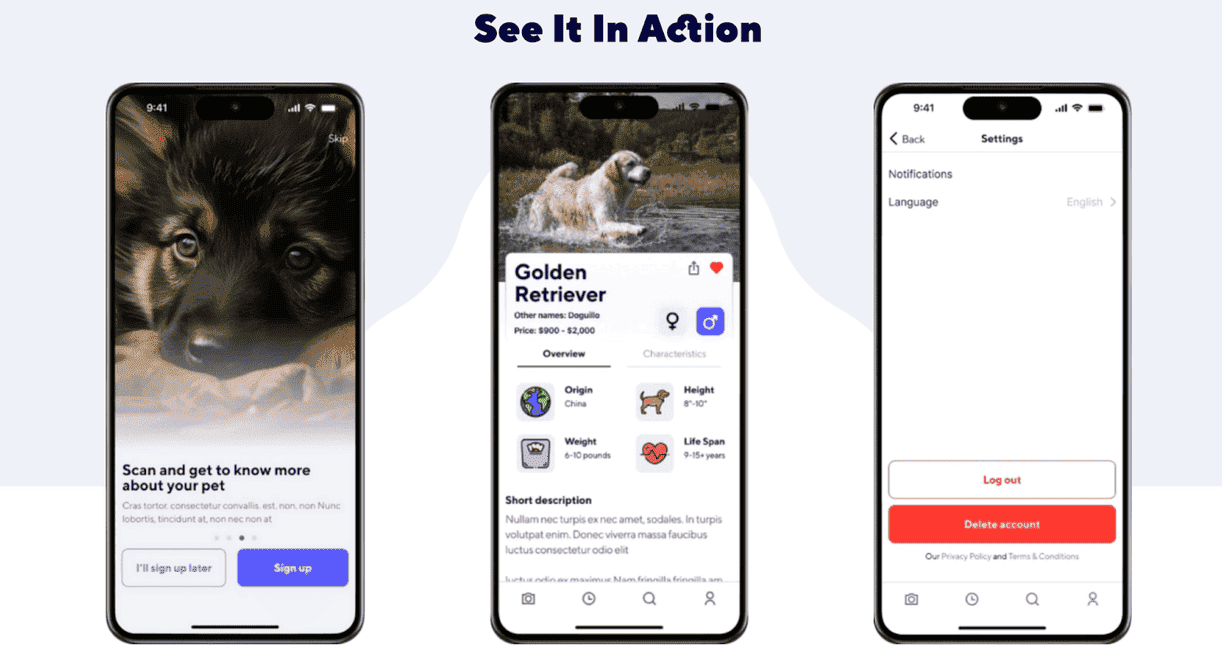
A quick check with an AI dog breed identifier like PetsyDNA will give you those answers in seconds — simply upload a photo of your furry loved one, and get an accurate description of their breed, origin, average adult size, and other fun characteristics.
If you’re ranking by average height, the Irish Wolfhound usually takes the crown, with Great Danes and Scottish Deerhounds coming in as a very close second.
Average height: 81–86+ cm (32+ in) males; 76–81+ cm (30+ in) females.
Average weight: roughly 40–70 kg (90–155 lb).
Bred in Ireland to hunt wolves and other large game, the Irish Wolfhound is a rough-coated sighthound built for speed and power over distance. Long legs, a deep chest, and a relatively lean frame give it impressive height without the same bulk you see in mastiff-type dogs.

Personality-wise, Wolfhounds are surprisingly soft, calm, and people-oriented. Still, you’re living with a dog that’s taller than many kitchen counters, so they need space, thoughtful training, and a handler who’s comfortable managing that kind of scale.
Average height: 80–90 cm (31–35 in) males; 72–84 cm (28–33 in) females.
Average weight: about 50–80 kg (110–175 lb).
The Great Dane is often called “the Apollo of dogs” for a reason. It combines significant height with a muscular, athletic frame built for work — originally boar hunting and later estate guarding.

Long legs, a deep chest, and a square outline make Danes visually dramatic without being blocky. They’re usually affectionate, easygoing family dogs, but their strength and weight mean good leash manners, joint-friendly exercise, and early socialization aren’t optional.
Average height: 76–81 cm (30–32 in) males; ≥71 cm (28+ in) females.
Average weight: about 34–50 kg (75–110 lb).
Think of the Scottish Deerhound as a rough-coated, upsized Greyhound. They were originally bred to chase and bring down red deer across steep, uneven Scottish landscapes.
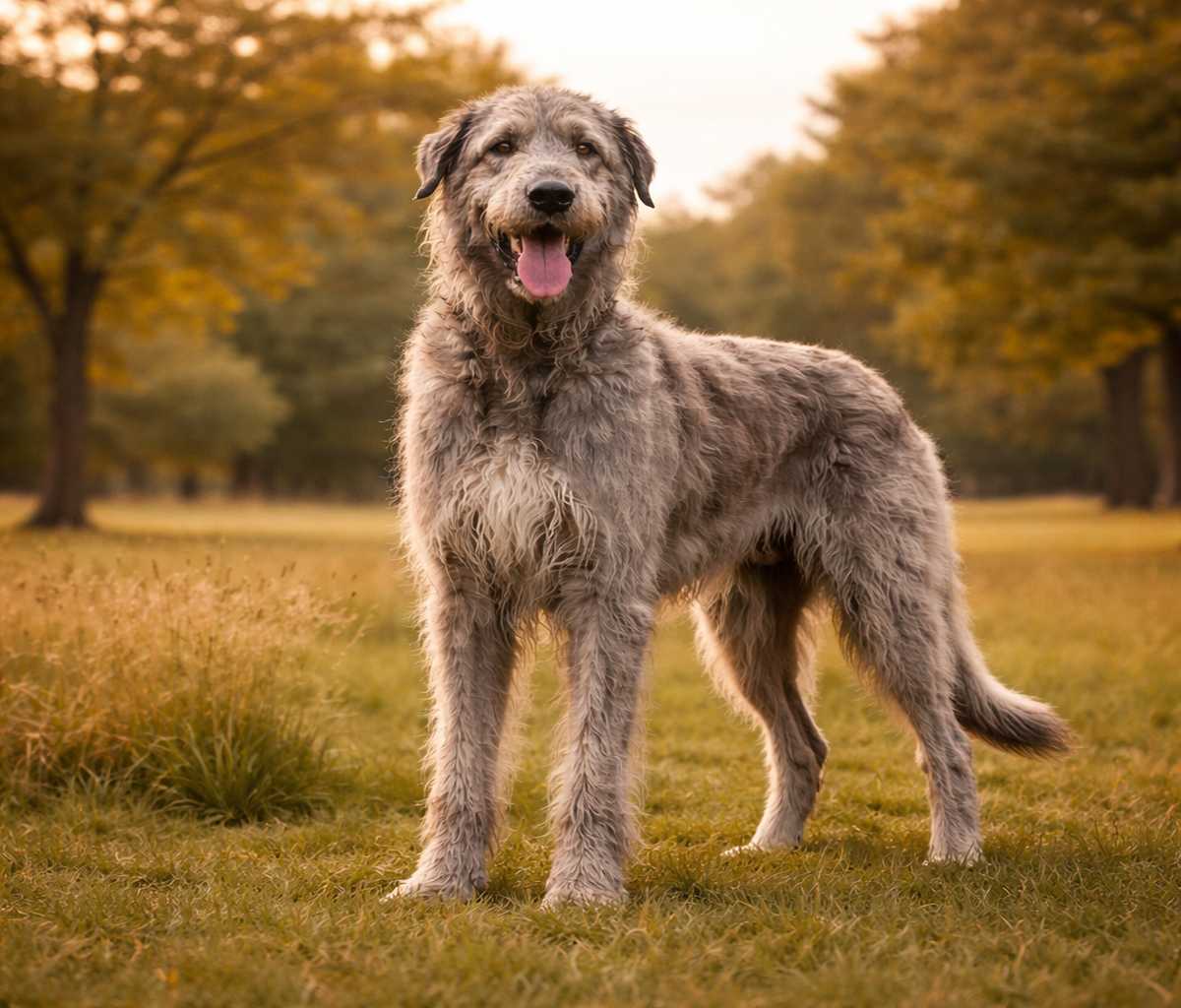
Their build is tall and elegant but still strong enough to handle tough ground, and they are one of the top endurance athletes in the dog world. Deerhounds are typically gentle and reserved, yet their size and prey drive mean you’ll want secure fencing and a plan for safe off-leash runs.
Average height: 74–81 cm (29–32 in) males; 71–79 cm (28–31 in) females.
Average weight: 36–68 kg (80–150 lb).
The Anatolian Shepherd comes from Turkey’s harsh rural regions and was bred as a livestock guardian — independent, tough, and able to work for hours in all weather.
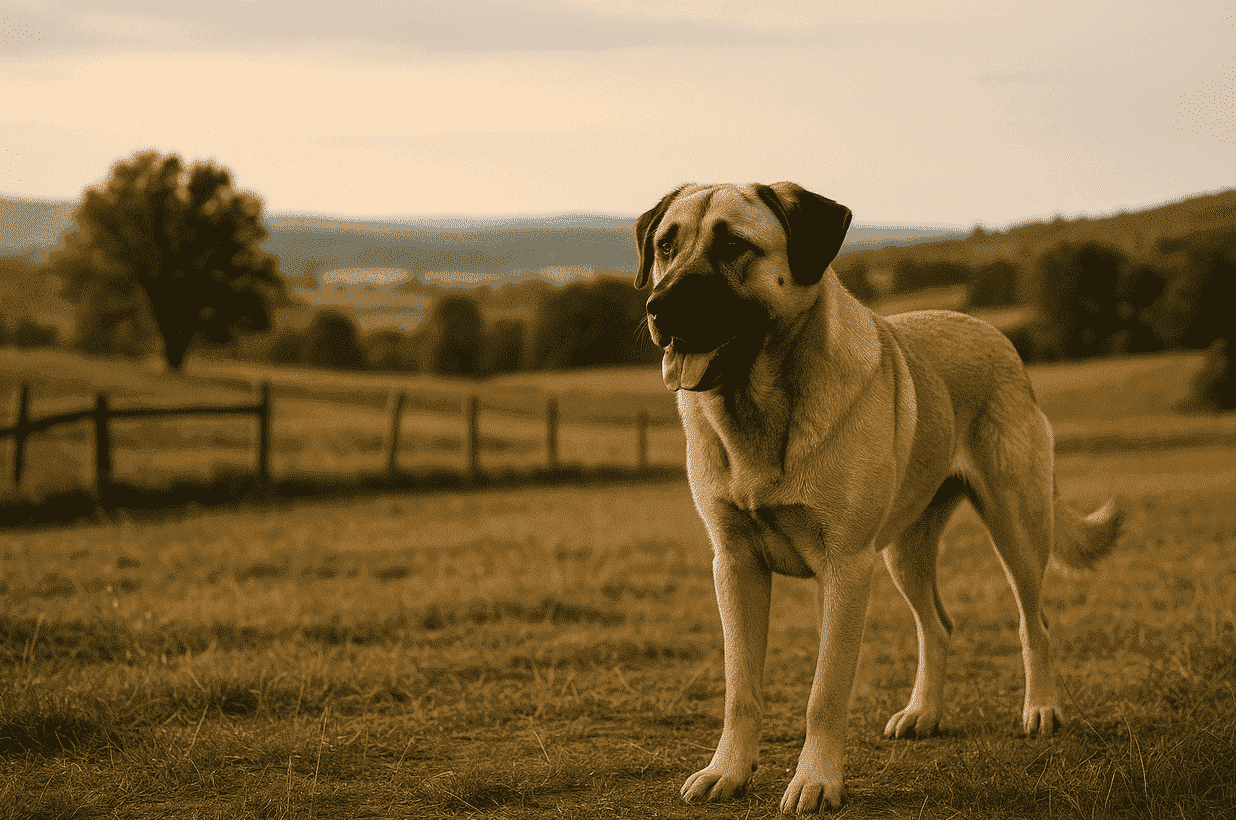
They carry a tall, rectangular frame with heavy bone and solid muscle, giving them real physical authority while still staying agile enough to move with the flock. Intelligent and highly protective, Anatolians need experienced owners; their size plus strong guardian instincts can be a lot in the wrong hands.
If you switch from height to body mass to determine the largest breed of dog, a different set of giants rises to the top. Mastiff-type and mountain rescue breeds may not be quite as tall as Wolfhounds, but they pack far more weight into a slightly shorter frame.
Average height: 70–76+ cm (27.5–30+ in) at the shoulder.
Average weight: males roughly 73–104 kg (160–230 lb); females 54–77 kg (120–170 lb).
The English Mastiff is built like a living tank — broad skull, deep chest, and extremely heavy bone throughout. Historical accounts and modern data both point to the Mastiff as one of the heaviest breeds by overall mass.

The largest dog on record, a Mastiff named Zorba, reportedly weighed 343 lb (155.6 kg). For reference, that’s the weight of a small lion!
Despite that intimidating size, most Mastiffs are mellow, devoted companions. The catch? Even a playful jump or a quick lunge on the leash can be hard to manage without early training and firm, kind handling.
Average height: 66–76 cm (28–30 in).
Average weight: males about 64–82 kg (140–180 lb); females about 54–64 kg (120–140 lb).
Saint Bernards were bred by Swiss monks for rescuing travelers buried in snow or lost in blizzards. Their wide frame, powerful legs, and massive head are designed for strength and traction in difficult terrain.
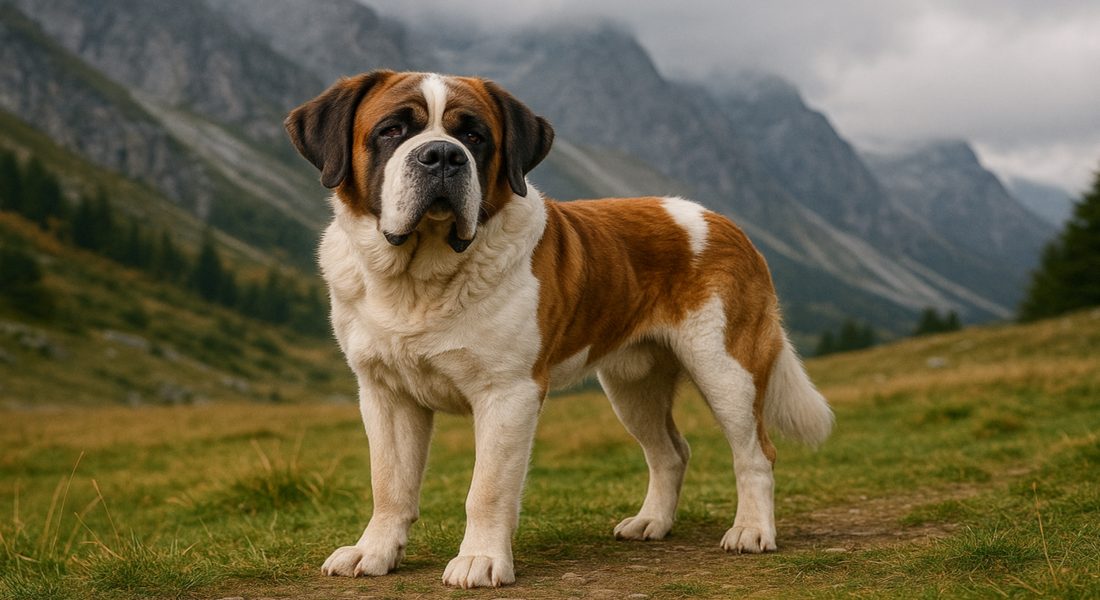
Today, Saints are famous for their gentle, patient nature, especially with children, but they’re still enormous dogs that need careful joint care, appropriate exercise, and owners who don’t mind a lot of drool.
Average height: 61–71 cm (24–28 in).
Average weight: males about 59–68 kg (130–150 lb); females about 45–54 kg (100–120 lb).
The Newfoundland started out as a working dog in Atlantic Canada, used for hauling loads, helping fishermen, and performing water rescues.
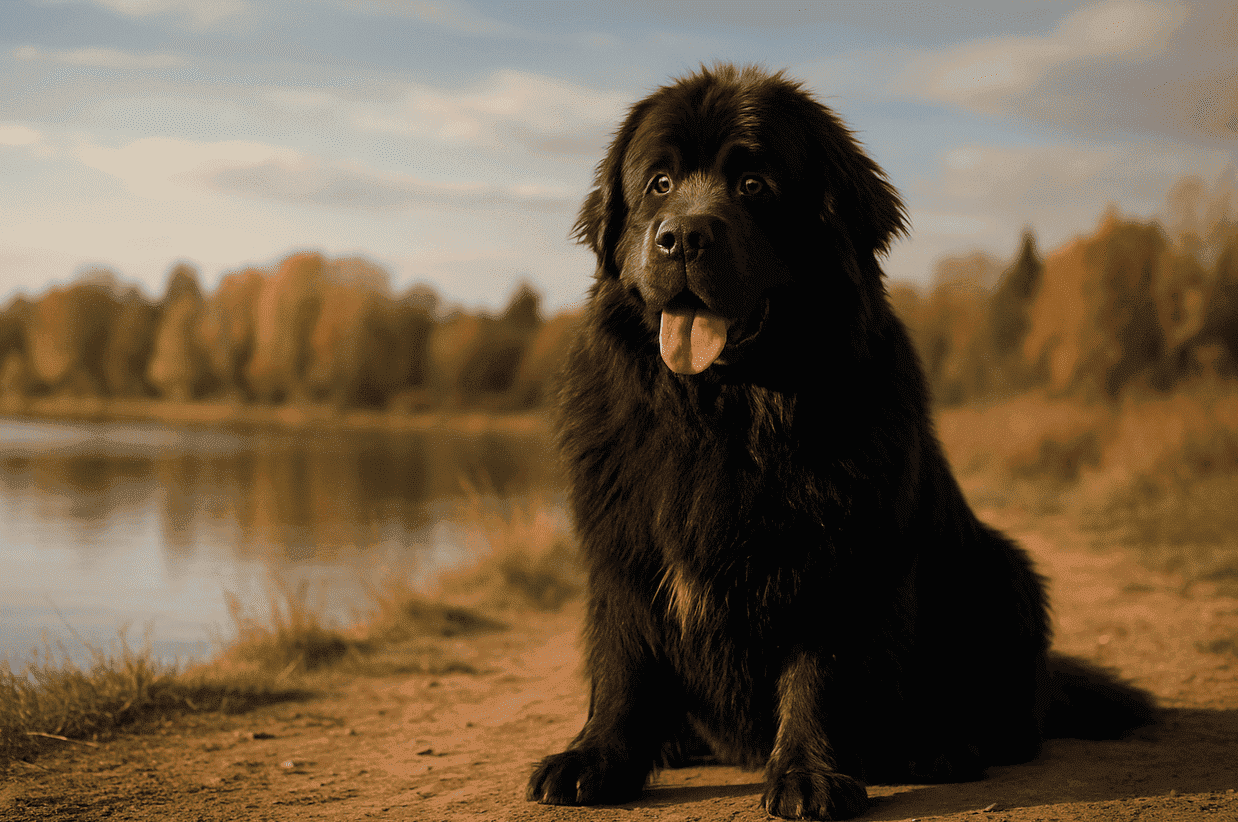
They carry heavy bones, a deep chest, and a thick, water-resistant coat that adds to their overall mass. Newfies are classic “gentle giants,” but their weight puts a lot of stress on growing joints and aging bodies, so constant low-impact activities are crucial.
Average height: 65–80 cm (25.5–31.5 in).
Average weight: about 50–77 kg (110–170 lb) males; 41–64 kg (90–140 lb) females.
The Leonberger was bred in Germany by blending large mountain and mastiff-type breeds to create a versatile working and family dog with a “lion-like” appearance.
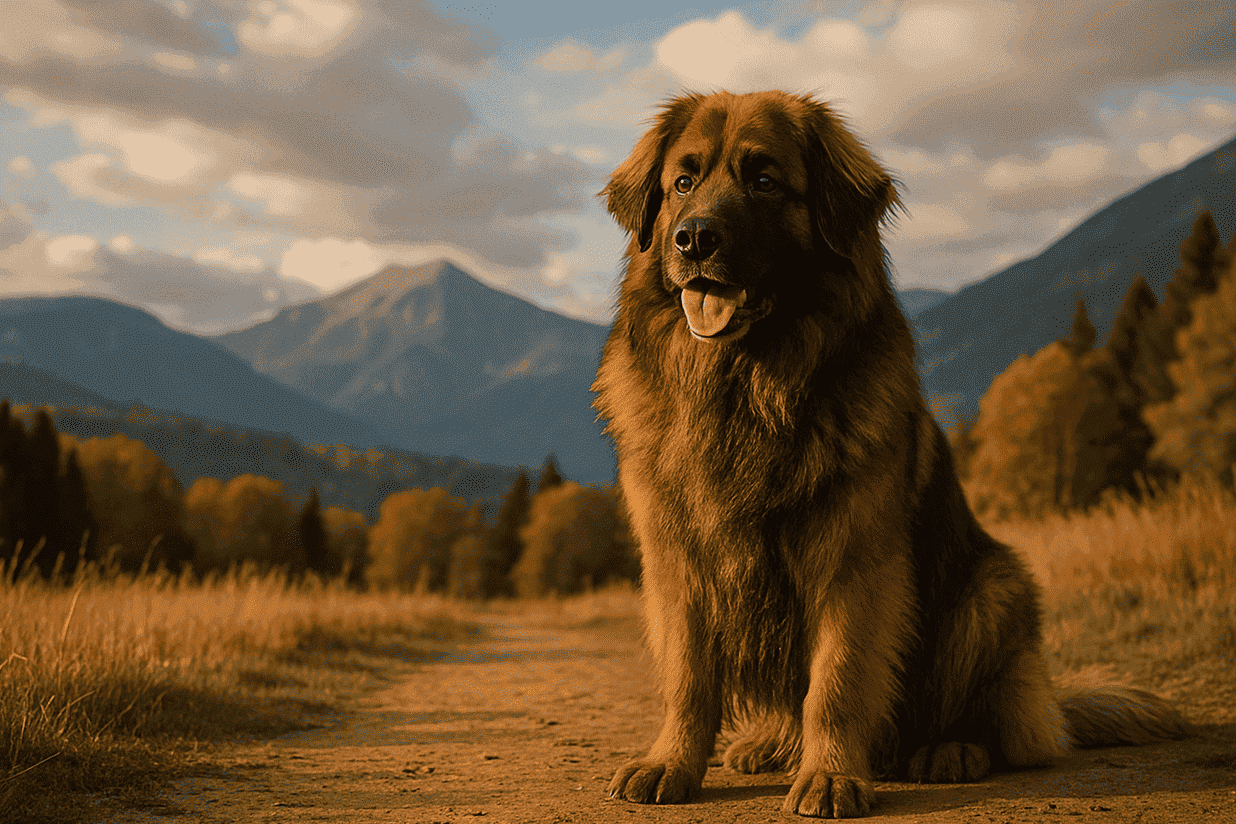
They’re long-bodied, solidly boned, and heavily coated, combining real weight with Olympic-level stamina. Most Leos are affectionate, people-focused, and eager to be part of family life.
Giant dogs aren’t simply scaled-up versions of medium breeds. Their size changes how strong they are, how their bodies age, and how pet owners organize everyday life around them.
A 70–90 kg Mastiff or Saint Bernard has enough pulling power to drag many adults off balance if they really feel like it, so basic obedience (loose-leash walking, solid recall, calm greetings) isn’t “nice to have.” It’s crucial for the safety and welfare of both the dog and everyone around them.
Many mastiff-type breeds are surprisingly moderate in their exercise needs and can be fairly relaxed in the house, while taller sighthounds like Irish Wolfhounds require longer, off-leash runs in safe spaces. Regardless, they all need a good amount of space to live comfortably.
Large-scale studies across many breeds show a clear, unfortunate pattern: as average body size goes up, average lifespan tends to go down (for every 2 kg increase in body weight, average lifespan can drop by roughly 1 month).
Common reasons include higher levels of growth-related hormones like IGF-1, certain cancers, joint problems, and heart diseases.
In short, large dogs age faster. That’s why vets often recommend specific prevention plans for giant breeds: tailored puppy food, keeping them lean, and carefully managed exercise.
The numbers add up quickly with a dog that weighs as much as a small adult human:
Anyone thinking about a giant breed should consider not just the huge emotional upside of living with a furry giant, but also the above-mentioned challenges that come along.
At the end of the day, anyone who’s spent even just a few minutes with one of these majestic large breeds knows that they have the biggest hearts, and their protective, life-long loyalty is truly one of a kind.
Plenty of mixed-breed and shelter dogs often have ancestry from more than one large or giant breed.
That hidden mix can strongly affect:
The tricky part is that you usually can’t accurately predict adult size by eye, especially with puppies. Crosses between large and medium breeds can land anywhere along a wide spectrum, and factors like nutrition and exercise still shape the final outcome.
That’s why it’s not just fun but also important to figure out your pup’s breed, and these days, you don’t always need a DNA swab to get a first pass at a dog’s background.
PetsyDNA’s AI Dog Breed Identifier is a great starting point: you simply scan or upload a photo of your pup, the AI analyzes physical features, and you get a breakdown of their breed makeup in seconds.
You’ll also get their breed’s origins, expected adult size, and other additional characteristics, helping owners get an idea of whether that “cute fluffball” is more likely to stop at 25 kg or rocket past 50+ kg as an adult.
For adopters bringing home unknown-background puppies or young shelter dogs, a quick check with PetsyDNA can give a much more informed starting point for planning housing, training, and long-term care.
So, is there one single largest dog breed in the world? Not really, it depends on what you’re measuring. But the winners across multiple categories include:
For future owners, the better question isn’t “What is the largest breed of dog?”, but “Which giant breed, or mix, actually fits my space, lifestyle, budget, and companionship needs?”
And if your dog’s background is a mystery, AI tools like the PetsyDNA can help reveal whether there are “giant genes” in the mix, so you can tailor their care, training, and health plan before that adorable puppy suddenly becomes the biggest family member in the house.



Getting your first dog is one of those precious life moments that sticks forever. It’s exciting, emotional, and, if we’re honest, a little stressful. You go from “I want a pup” to “Okay, now I’m responsible for an actual living creature” pretty fast. Type “what are the best dog breeds for first time owners” into […]
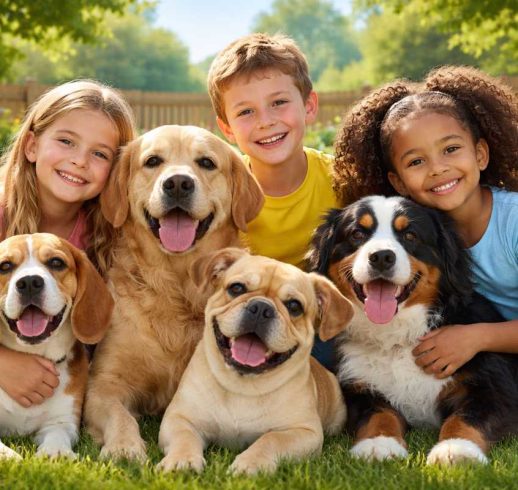
Bringing a dog into a family with kids isn’t a light decision. You’re not just choosing a pet. You’re adding a new family member that will completely grow alongside them, be their friend, and guardian. They will fully affect your daily life — mornings, chaos, noise, quiet evenings, bad moods, good moods, all of it. […]

Life is busy — but that doesn’t mean you can’t have a dog. Most people who say “I’d love a dog, but I’m just too busy” aren’t making excuses. They’re just trying to be realistic and thoughtful about having a new pup join the family. Long days at work, full calendars, mental overload, and not […]

Apartment living doesn’t mean giving up on the idea of having a dog, it just means you need to be extra considerate about finding the right breed. And in any case, square footage matters far less than training, temperament, energy levels, and how well a dog handles indoor life. Pick the right breed (or mix), […]
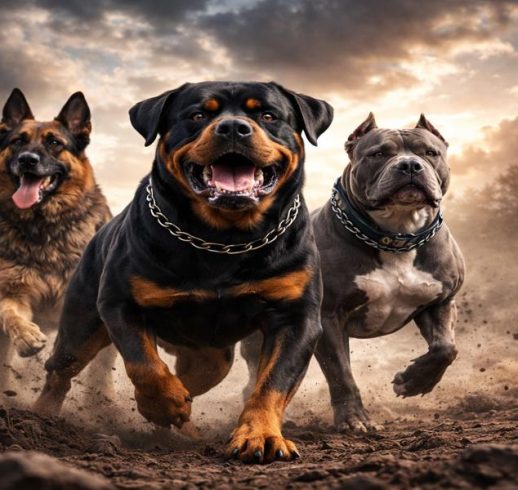
People love debating what’s the strongest dog breed. Sometimes it’s just out of curiosity, other times it’s a pet owner trying to understand why their sweet little furball can pull 10 times their weight like a freight train. And here’s the thing, strength isn’t just about size. We have to take into account bite force, […]
Some dogs are perfectly built for couch snuggles and lounging. Others? Built like furry four-legged rockets. If you’ve ever seen one of these breeds take off, you know the feeling — you merely blink, and they’re already gone, leaving nothing but a rush of air behind them. Centuries of selective breeding, instinct, and muscle memory […]

Some dogs make you smile. These ones make you stare. There’s just something captivating and majestic about the gentle giants — dogs so big they look like they stepped straight out of a fairy tale. Yet behind all that size, you’ll rarely find anything but kindness. Anyone who’s been lucky enough to meet some of […]