



Life is busy — but that doesn’t mean you can’t have a dog.
Most people who say “I’d love a dog, but I’m just too busy” aren’t making excuses. They’re just trying to be realistic and thoughtful about having a new pup join the family.
Long days at work, full calendars, mental overload, and not much downtime are all very real.
But here’s the part you rarely see addressed clearly: having a packed schedule doesn’t automatically disqualify you from owning a dog. In a lot of cases, it just means you need the right kind of dog.
One that matches your pace instead of clashing with it. And once that fit is there, the best dog breeds for busy people not only don’t add chaos — they help take the edge off your day.
To decide what are the best dog breeds for busy people, we generally talk about pups that score well on the four evidence-backed dimensions used in breed standards (FCI / AKC), veterinary behavior research, and shelter outcome studies:
If you’re working full-time or juggling a lot, a few traits matter more than the rest:
Time is the obvious constraint, but it’s not the only one — and often not even the main problem. The real friction usually comes from a mismatch between your lifestyle and the dog’s built-in needs.
This is exactly where understanding breed tendencies protects you from future disappointment. If you pick a dog that needs constant physical and mental outlets, then leave them alone for most of the day, things can go sideways quickly.
PetsyDNA’s Breed Selector offers a simple 12-step questionnaire to narrow down dog breeds for people based on their schedules, routines, and lifestyle.
And when you’re meeting dogs at shelters, in parks, or at a friend’s place, its AI Breed Identifier helps you instantly get a better understanding of their likely temperament, background, and needs before you make a serious decision.
Every dog needs time, presence, and real commitment, even the most low-maintenance dog breeds for busy people.
They tend to handle structured routines, moderate activity, and stretches of alone time better than others. Individual temperament always plays a role, but if your life is already full and your free time is limited, this is a solid starting list of some of the best dog breeds for busy people.
French Bulldogs are calm, people-oriented, and famously short on endurance. They enjoy brief walks and small bursts of play, then are more than happy to crash and sleep for most of the day.
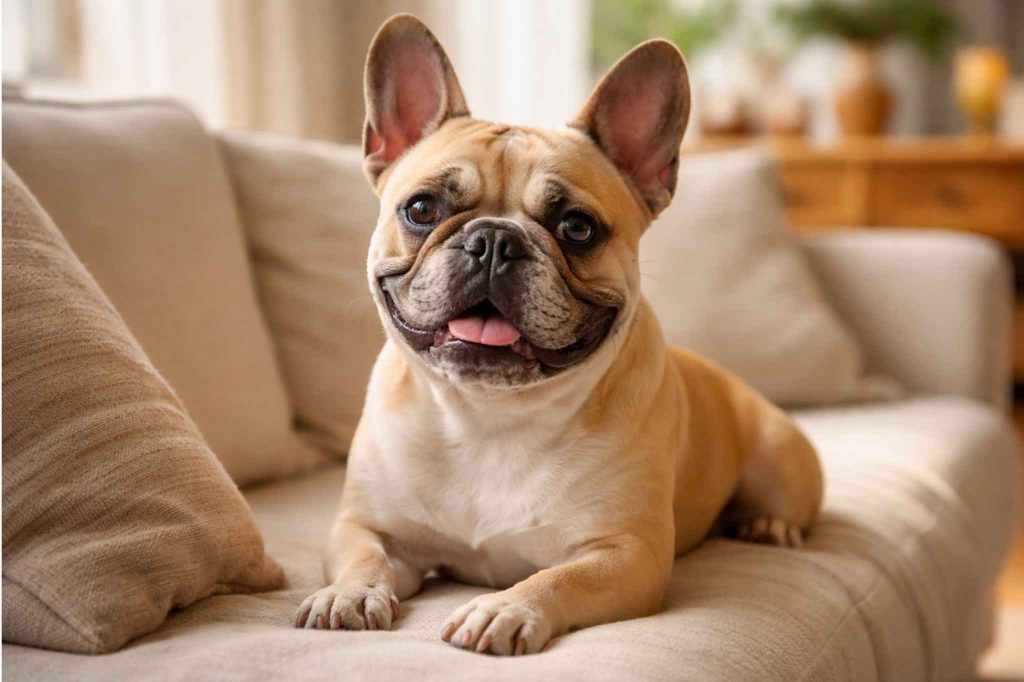
Adult Frenchies usually stand around 11–13 inches tall, weigh roughly 16–28 pounds, and live about 10–12 years. Their energy sits in the low to moderate range, which lines up nicely with apartment living and predictable workday routines.
A big win for busy owners is that they’re not typically restless or overly vocal, and they prefer quiet, close “people time” over high-energy games — ideal when evenings are limited but focused.
Greyhounds tend to surprise anyone who only knows them as racing dogs. Yes, they are the Olympic sprinters of the dog world, but outside of the racing tracks, they’re some of the chillest companions you can find.
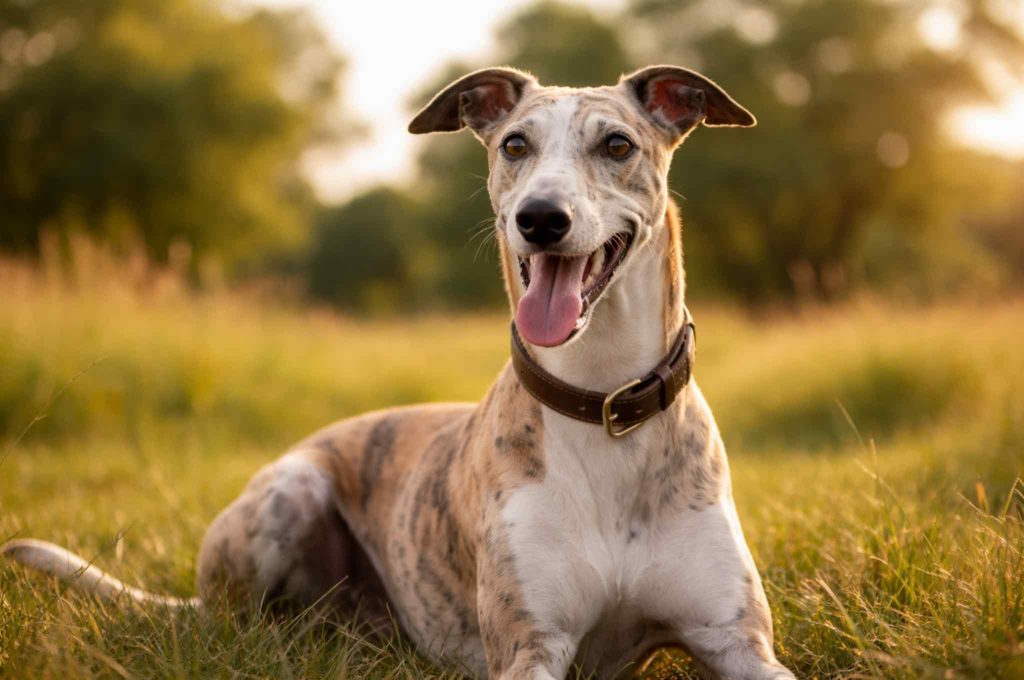
They’re tall and lean, usually around 60–70 pounds, with a life expectancy of 10–14 years. They’re built for short, explosive runs, not all-day marathons, so a daily walk plus the occasional chance to sprint usually covers their needs.
Inside the home, they’re calm, quiet, and almost cat-like in the way they lounge. Greyhounds are also generally comfortable spending time alone, which makes them one of the best low maintenance dog breeds for busy people who work long hours.
Boston Terriers are compact, outgoing, incredibly cute, and generally easy to live with. Adults typically weigh 12–25 pounds, stand about 15–17 inches tall, and have an expected lifespan of 11–13 years.
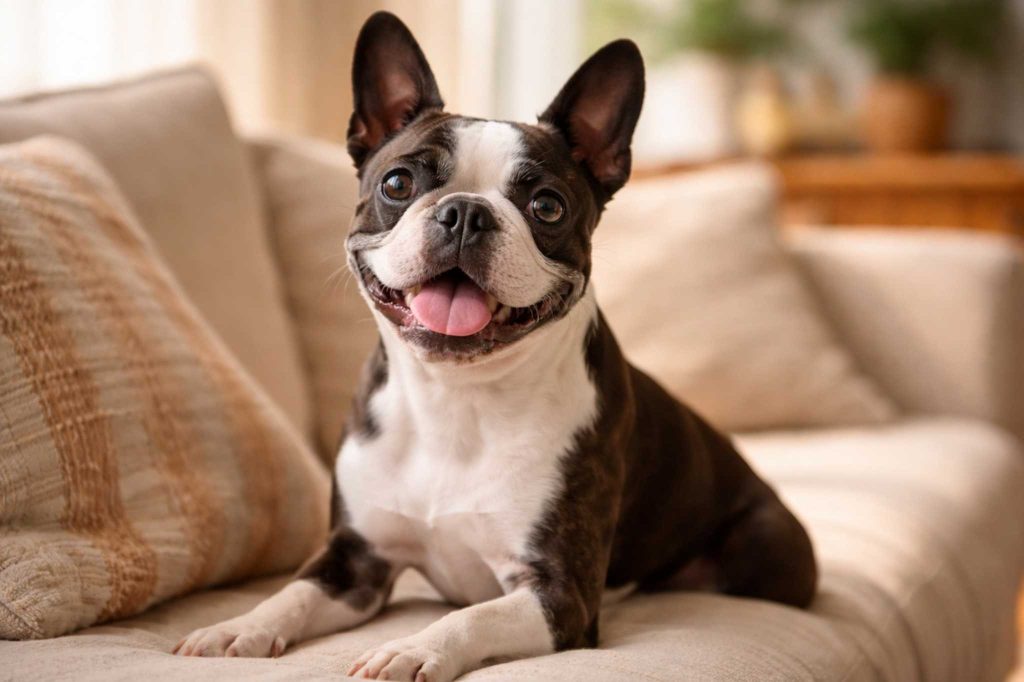
They tend to move in short bursts — a bit of play or training, then a long rest. Bostons are very people-focused without tipping over into needy, which helps when you’re in and out during the day. They also tend to learn quickly, so you spend less time fighting basic training and more time enjoying a dog that understands the low-effort routine.
Pugs are affectionate, routine-loving companions that fit well into quieter lifestyles. Adults typically weigh 14–18 pounds and live around 13–15 years. Their energy level is on the lower side, and they’re usually content with short walks and simple indoor play.
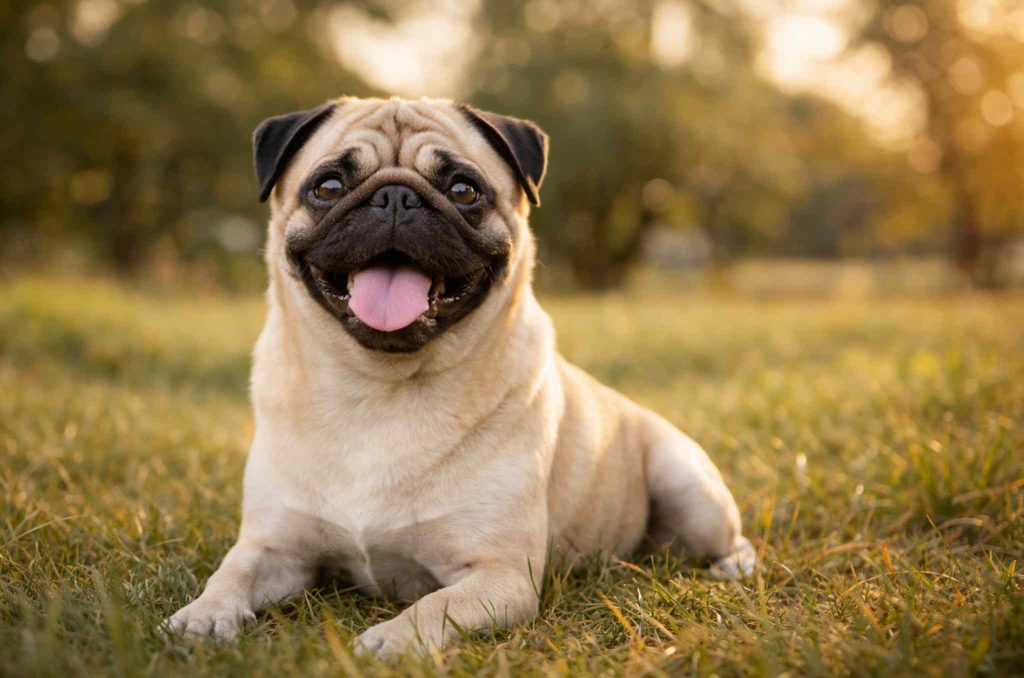
Pugs are very people-oriented, but not intense or high-strung, which helps when your schedule is rigid. Their sensitivity to heat and overexertion naturally limits extreme activity, again aligning them with the kind of low-maintenance, indoor dog breeds for busy people who prefer calm evenings over constant action.
Maltese dogs were bred mainly as companions, and it shows. They’re gentle, alert, and generally steady, without the sharp reactivity some small breeds tend to have.

They like being close to their humans but don’t need constant entertainment to feel secure, which helps when your schedule is tight. Their tiny size also keeps daily walks, grooming, and feeding quick and effortless.
They usually stand 7–9 inches tall and weigh under 7 pounds, with an expected life expectancy of about 12–15 years. Energy needs are modest, and short walks plus a bit of indoor play are usually more than enough.
Havanese are adaptable, people-focused dogs that usually handle real-life routine changes better than many companion breeds. They’re social without being clingy and playful without tipping into chaos, which makes them a strong fit for owners whose days don’t always look the same.
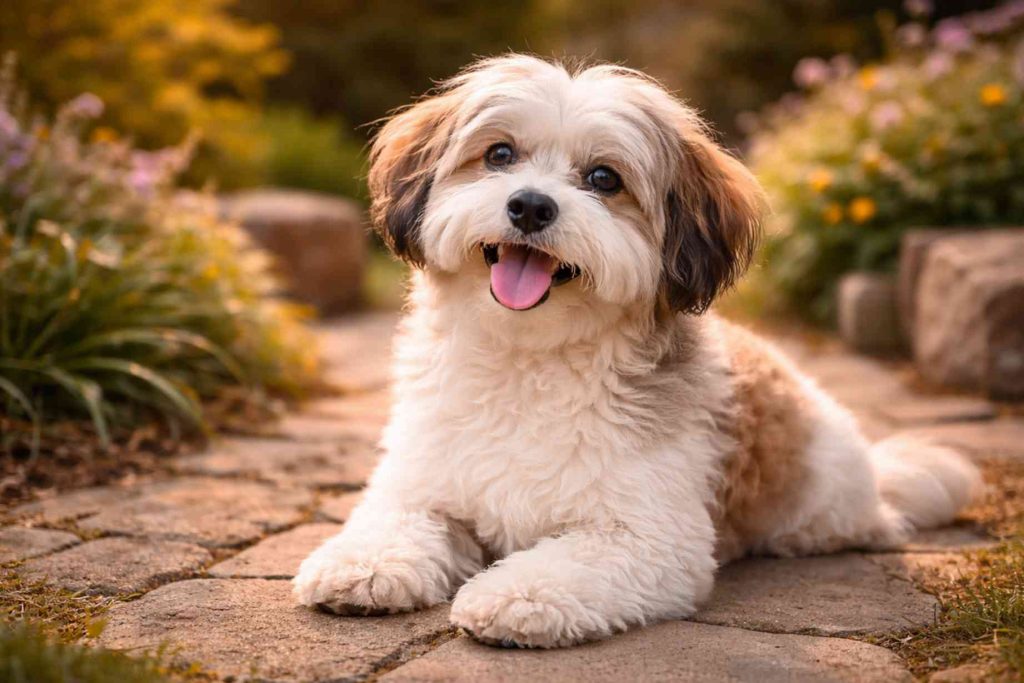
They enjoy training and attention but aren’t typically the type to invent trouble when left alone with a clear routine. Adults generally stand 8–11 inches tall, weigh 7–13 pounds, and live around 14–16 years. Fun fact — the Havanese is Cuba’s national dog.
Great Danes might look overwhelming at first glance, but behavior-wise, they’re among the calmer large breeds. They move slowly, relax easily, and are usually content to spend long stretches of the day resting near their people.
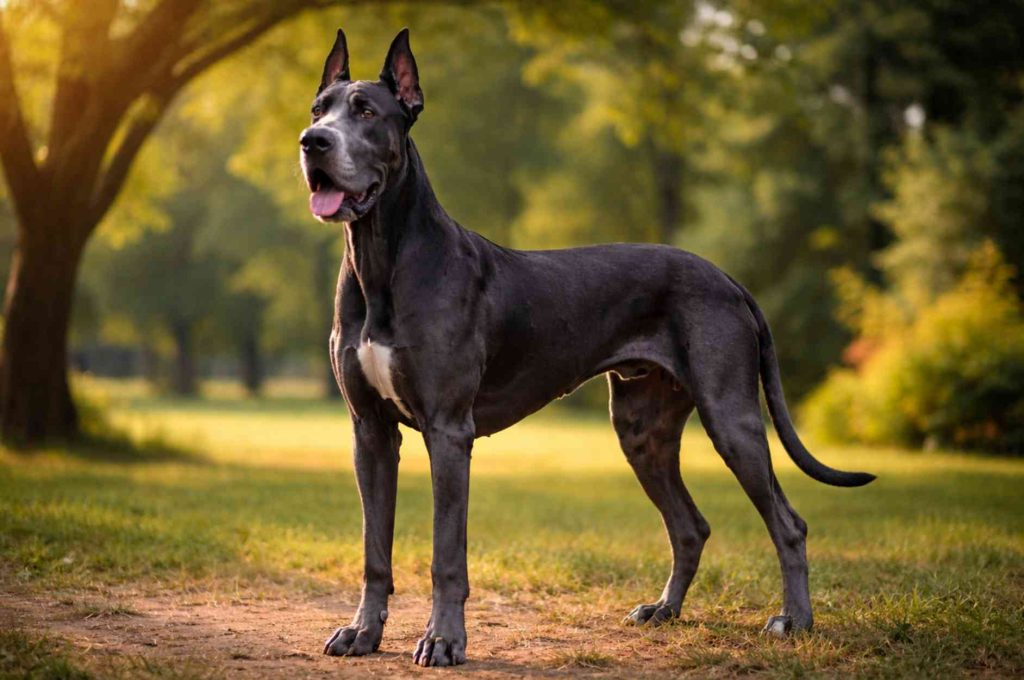
Unlike many working breeds, they don’t need intense exercise or complex “jobs” to stay balanced, though early training and clear rules matter because of their size. They typically stand 28–32 inches tall, weigh 110–175 pounds, and live around 7–10 years. Energy levels are low to moderate, and steady daily walks usually keep them happy.
Dachshunds are independent, sharp little hounds that often cope with alone time better than people assume. Bred long ago to track prey underground, today’s companion Dachshunds are noticeably calmer day to day.
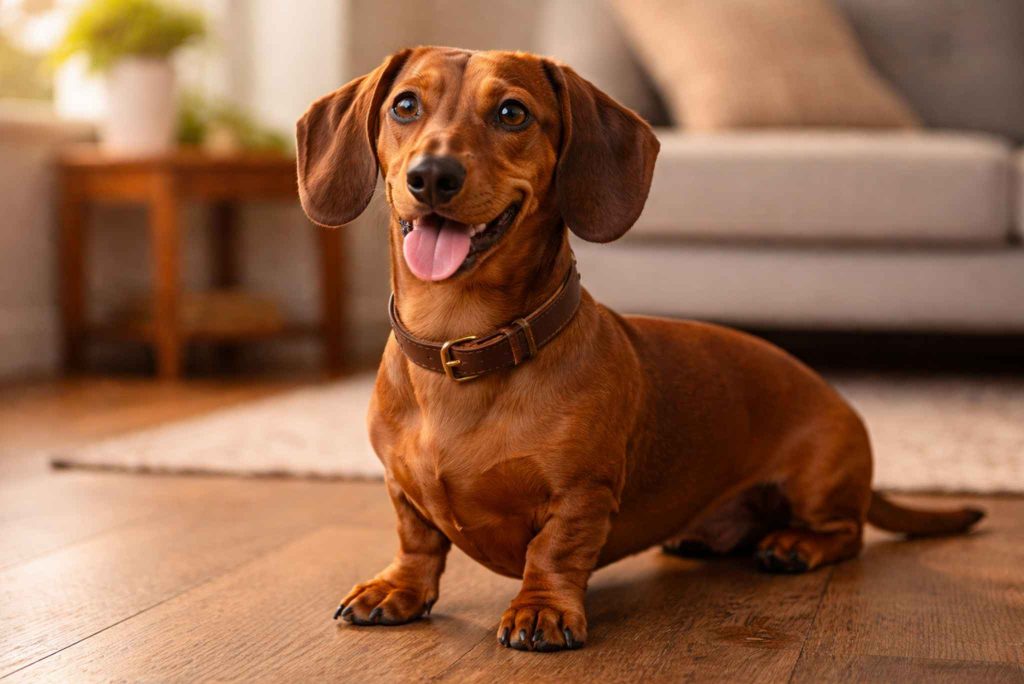
They don’t look for nonstop stimulation and usually feel relaxed sticking to simple, predictable routines. Their small (and adorable) build keeps daily care manageable, but early training helps.
Most Dachshunds stand at about 8–9 inches tall, weigh 16–32 pounds, and typically live roughly 12–16 years. Exercise needs are modest, with steady walks and limited jumping around to protect their delicate backs. Fun fact — despite short legs, Dachshunds often manage surprisingly long, slow, sniff-heavy walks outside.
Being busy doesn’t mean improvising your way through dog ownership. Dogs feel safest in consistent structures — and, ironically, structured days are something busy people are quite good at.
Knowing a dog’s breed mix gives you a clearer picture of how they might handle alone time, stimulation, and changes in routine. That’s particularly useful with mixed breeds, where traits aren’t always obvious on the surface.
PetsyDNA’s AI breed identifier helps you learn more about any pups you encounter throughout your day, making it easier to eventually choose the best dog breed to match your busy lifestyle.
Having a packed calendar doesn’t automatically make you a bad candidate for getting a dog. It just asks more of you in terms of planning, honesty, and support — especially in the beginning.
With so many dogs waiting in shelters, the idea that only people with unlimited free time deserve them doesn’t really hold up. Thoughtful, intentional owners matter far more than perfectly flexible schedules.
The right match, a bit of structure, and realistic expectations do most of the work. Starting with PetsyDNA’s simple lifestyle questionnaire gives you a grounded starting point.
Keeping an AI breed identifier in your pocket will come in handy when you meet new dogs and wish to learn more about them in seconds, to determine if it’s a good candidate for your busy life.



Getting your first dog is one of those precious life moments that sticks forever. It’s exciting, emotional, and, if we’re honest, a little stressful. You go from “I want a pup” to “Okay, now I’m responsible for an actual living creature” pretty fast. Type “what are the best dog breeds for first time owners” into […]
Bringing a dog into a family with kids isn’t a light decision. You’re not just choosing a pet. You’re adding a new family member that will completely grow alongside them, be their friend, and guardian. They will fully affect your daily life — mornings, chaos, noise, quiet evenings, bad moods, good moods, all of it. […]

Apartment living doesn’t mean giving up on the idea of having a dog, it just means you need to be extra considerate about finding the right breed. And in any case, square footage matters far less than training, temperament, energy levels, and how well a dog handles indoor life. Pick the right breed (or mix), […]

When people ask “what’s the largest dog breed?”, they’re rarely talking about the same thing. Some picture a dog that’s almost eye-level when standing next to them, while others think of raw body weight. You know, the kind of dog that feels like a sandbag when it leans on your leg. On top of that, […]

People love debating what’s the strongest dog breed. Sometimes it’s just out of curiosity, other times it’s a pet owner trying to understand why their sweet little furball can pull 10 times their weight like a freight train. And here’s the thing, strength isn’t just about size. We have to take into account bite force, […]
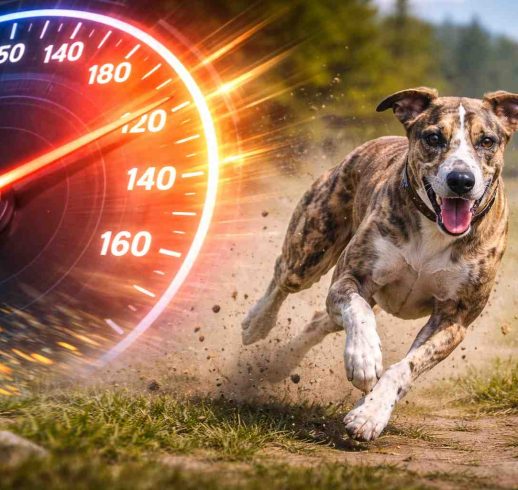
Some dogs are perfectly built for couch snuggles and lounging. Others? Built like furry four-legged rockets. If you’ve ever seen one of these breeds take off, you know the feeling — you merely blink, and they’re already gone, leaving nothing but a rush of air behind them. Centuries of selective breeding, instinct, and muscle memory […]

Some dogs make you smile. These ones make you stare. There’s just something captivating and majestic about the gentle giants — dogs so big they look like they stepped straight out of a fairy tale. Yet behind all that size, you’ll rarely find anything but kindness. Anyone who’s been lucky enough to meet some of […]