



Bringing a dog into a family with kids isn’t a light decision. You’re not just choosing a pet. You’re adding a new family member that will completely grow alongside them, be their friend, and guardian. They will fully affect your daily life — mornings, chaos, noise, quiet evenings, bad moods, good moods, all of it.
Kids don’t come with an off switch, and, unless you choose the right breed and offer the necessary training, neither do dogs. The best dog breeds for families with kids are those that were built to be part of a pack, who know when to be calm and patient, when they can let loose, and when they need to be on standby.
When people say a dog is “good with kids,” they often mean one thing: the dog hasn’t caused problems, and that’s not enough.
A truly family-friendly dog handles unpredictability well. Running feet, sudden hugs, loud voices, toys flying through the air, and the list goes on.
The most important element of dog breeds for families with kids isn’t size or looks — it’s temperament. These dogs are generally patient, socially wired, and emotionally steady, always.
They don’t escalate quickly, and they don’t hold grudges. They’re also dogs that prefer being around people rather than tolerating them from a distance.
Another overlooked factor is resilience. Family homes are imperfect environments — schedules slip, walks, attention, and training aren’t always consistent. The best family dogs can absorb a bit of that without developing anxiety or defensive behaviors.
Breed matters, but context matters even more. Before falling in love with a photo or a reputation, it helps to slow down and look at the full picture.
A few things that actually make a difference when choosing the best dog breeds for families with young kids:
One more thing families often miss: many dogs aren’t purebred, especially if you’re adopting from a shelter.
Guessing a mixed dog’s temperament based on looks alone is unreliable. If you already have a dog or are considering adopting one, understanding its breed makeup helps predict energy, size, patience, and family fit.
That’s where tools like PetsyDNA’s AI dog breed identifier can give you that much-needed clarity early on. Its new Breed Selector feature can also identify the top breeds for your exact lifestyle, routine, and family structure with a simple 12-step questionnaire.
Small pups are often the “best of both worlds”: easy to fit into daily life, but still fully up for play, cuddles, and kid energy. The best small dog breeds for families with kids are confident, people-oriented, and always happy and comfortable being part of the action. They become that constant little furball following the family from room to room.
Cavaliers are almost purpose-built for family life. They’re gentle, affectionate, and naturally tuned into human emotions. With kids, that usually translates into patience rather than overstimulation. They enjoy play but don’t demand constant attention or intensity, which makes them easier to manage in busy homes.
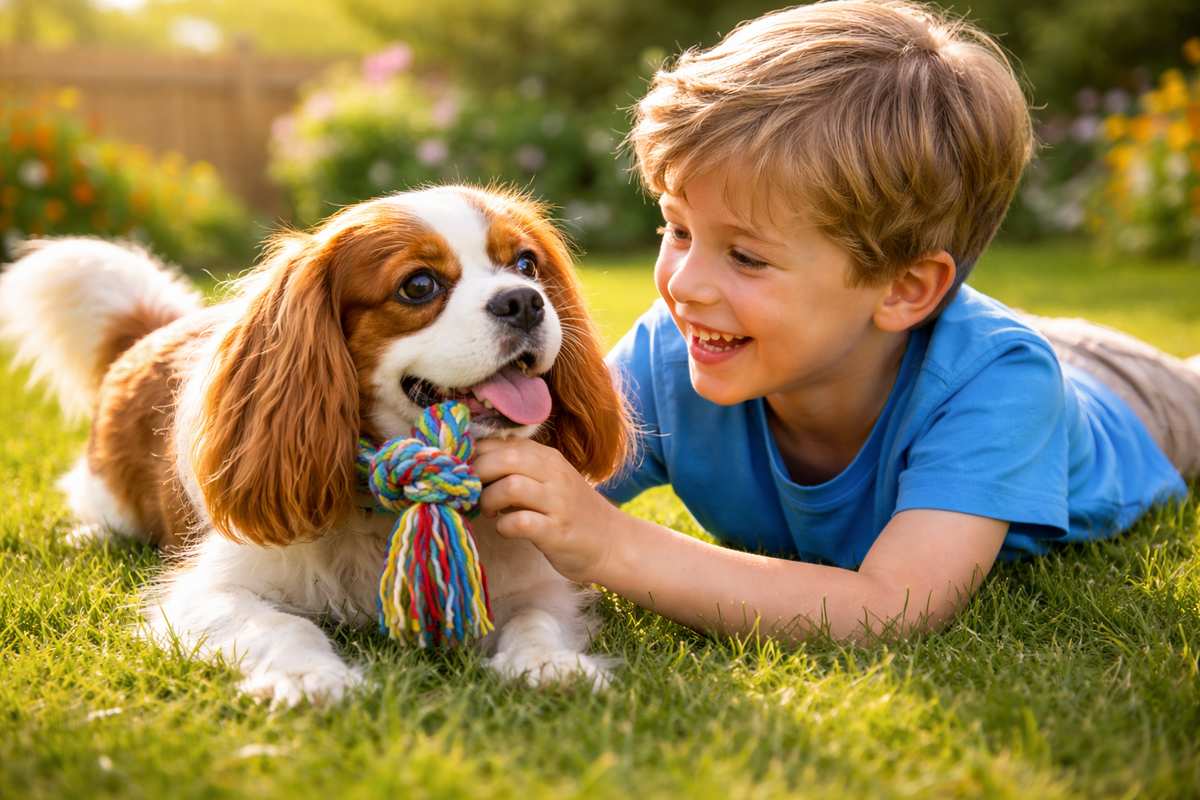
They’re usually pretty unfazed by the everyday kid stuff like clumsy pats, big hugs, and so on. Cavaliers thrive on companionship and don’t love being left alone for long stretches, so they do best in homes where at least one human is usually around at all times.
Fun fact: Cavaliers were genetically bred to be constant companions, which explains why they often follow family members from room to room.
Beagles bring a different kind of energy. They’re cheerful, curious, and famously good-natured. Around kids, they’re playful without being overly intense, and their sturdy build helps them handle rough-and-tumble moments better than many small breeds.
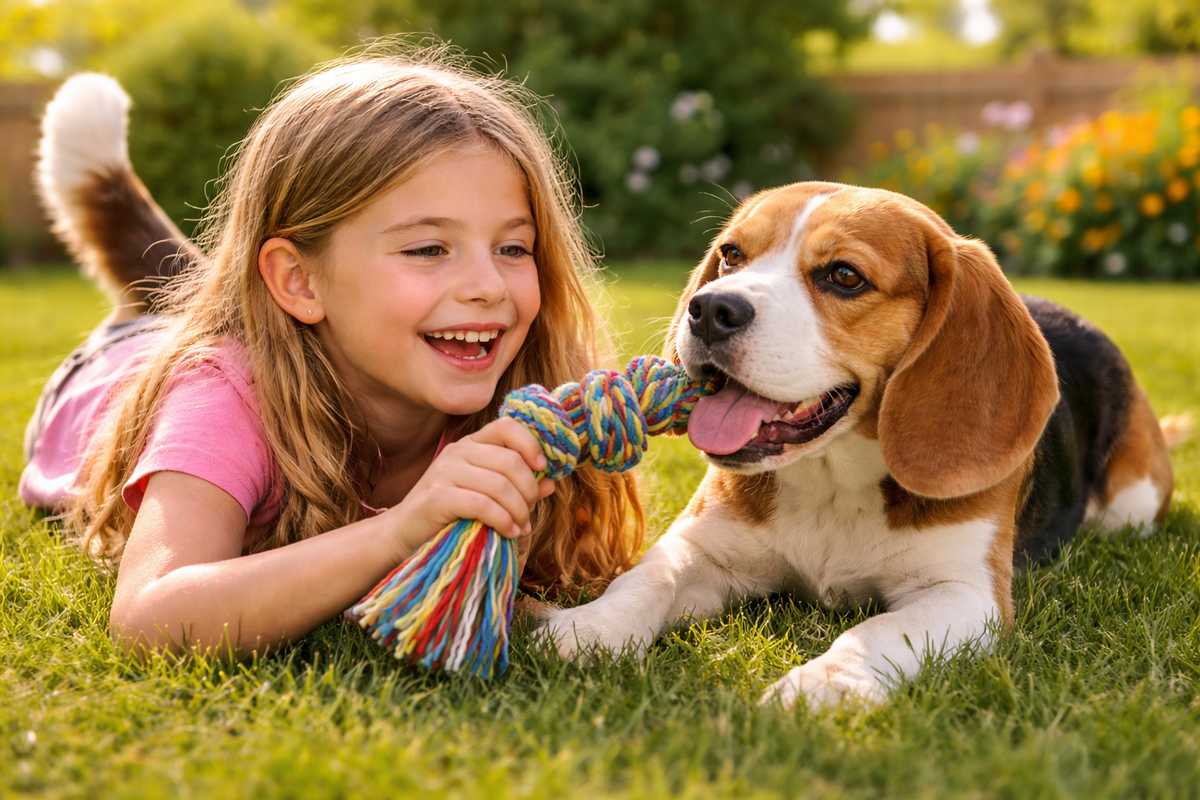
That said, Beagles have a strong nose and a strong opinion, which is why consistent training matters here. Families who enjoy outdoor time usually find Beagles fit right in.
Fun fact: Beagles were bred to work in packs, which is why they often integrate easily into busy households.
Bichons are social, upbeat, and surprisingly resilient for their size. They tend to love attention and rarely show aggression when properly socialized from an early age. Their playful nature pairs well with kids, especially in homes where interaction is frequent, and they are generally considered one of the most adorable dog breeds for families with kids.
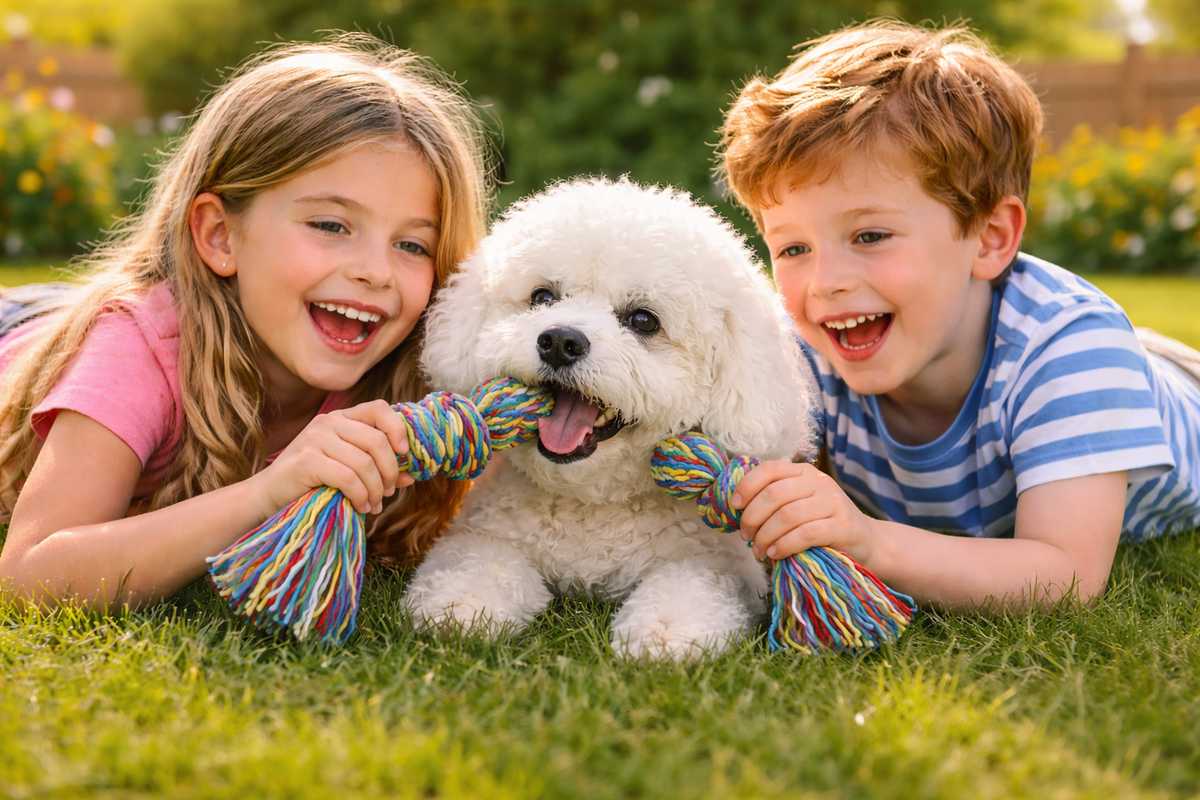
They do require regular grooming, which is something families should factor in. On the upside, their low-shedding coat is a huge positive factor for allergy-sensitive households.
Fun fact: Bichons often keep a puppy-like attitude well into adulthood, which kids (and most adults) usually love.
Medium-sized dogs often hit the balance that families are looking for. Big enough to handle, play, and guard kids physically, but also small enough to live comfortably in most homes. Many of the classic and popular “good dog breeds for families with kids” live in this category.
Labradors have earned their reputation the hard way, by consistently showing up as reliable family dogs. They’re patient, affectionate, and generally forgiving of mistakes made by both kids and adults.
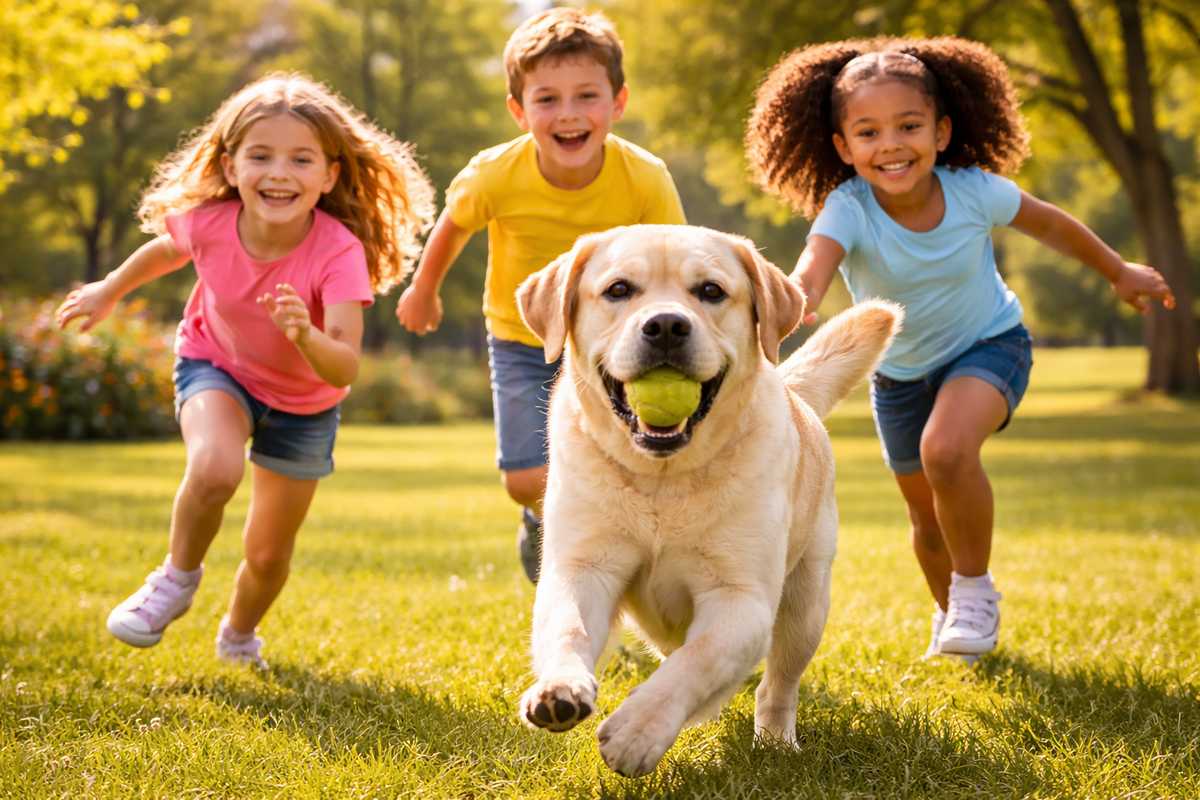
They do have energy, especially in their younger years, and they need outlets for it. Families who commit to walks, playtime, and some basic training usually end up with a dog that fits seamlessly into family life.
Fun fact: Labs virtually always take on the role of unofficial babysitter, shadowing kids wherever they go.
Golden Retrievers are known for their very high emotional intelligence. They read situations well and tend to respond calmly, even when kids get loud or unpredictable. That steadiness is a big reason they’re fully trusted around children.
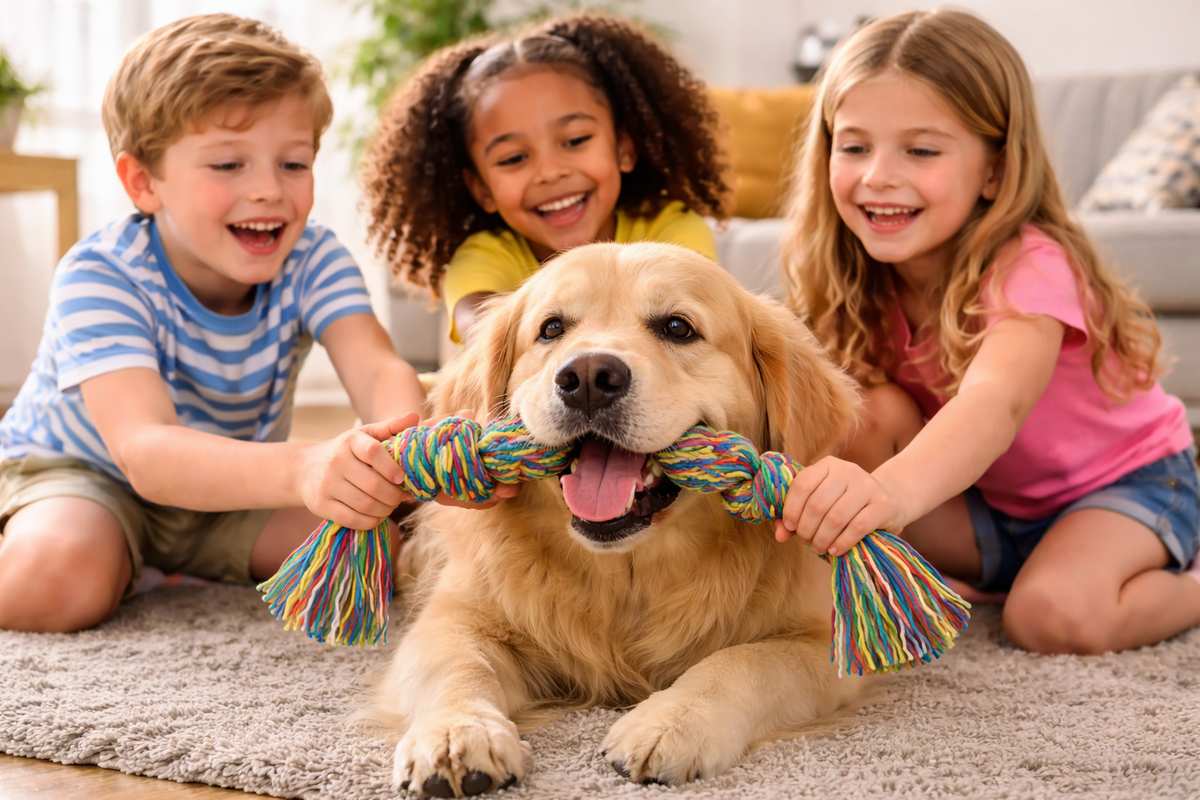
They thrive on structure and positive reinforcement. Like Labs, they need regular activity, but they’re rarely high-strung.
Fun fact: Goldens are very often used as therapy dogs because of their gentle and intuitive nature.
Bulldogs bring a different energy to family life. They’re laid-back, tolerant, and usually unfazed by any chaos happening around them. Their slower pace can be a great match for families who want a calmer household presence, yet still active enough to enjoy long outings.
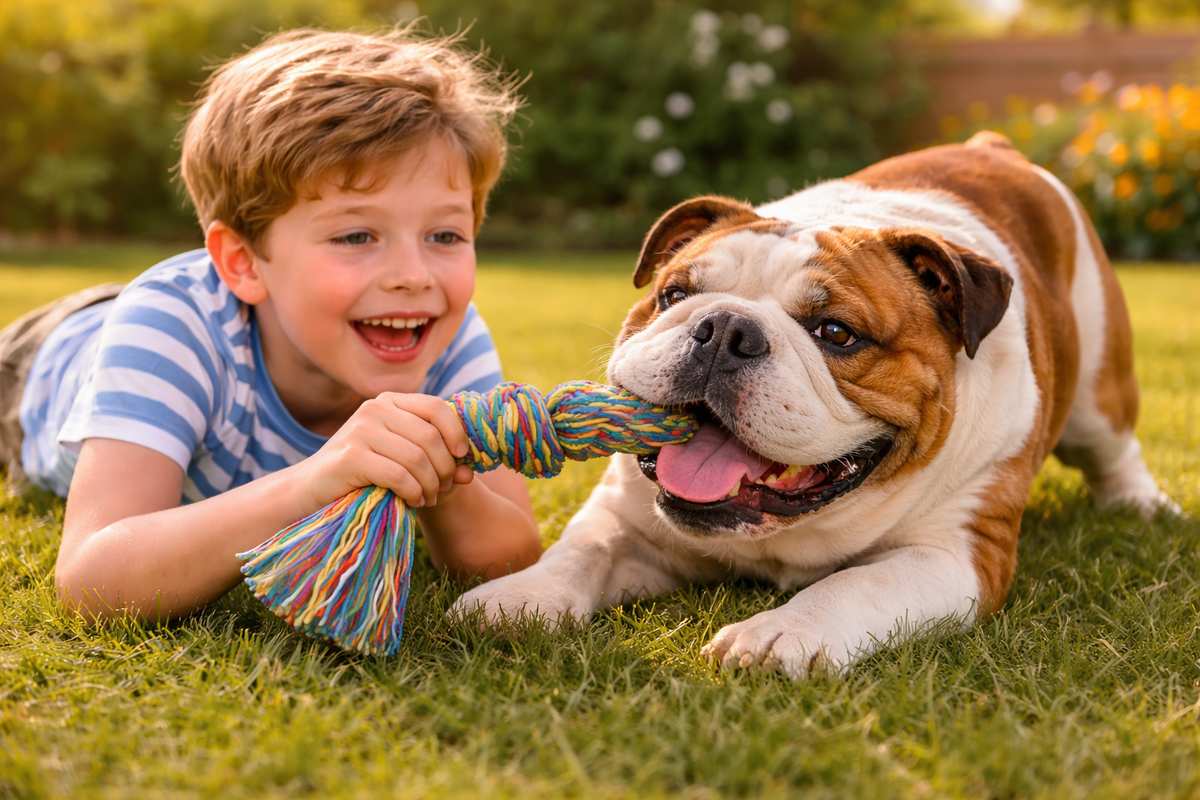
They don’t need intense exercise, but they do need consistent basic health monitoring due to their genetic build.
Fun fact: A lot of Bulldogs are expert ‘mood mirrors’ — if the house is calm, they melt into the couch; if the kids are hyped, they’ll waddle over like they’re joining the party.
A common misconception about dogs is that larger breeds are not safe around children, and that couldn’t be further from the truth. In fact, many large breeds are among the most patient and gentle family companions when raised in the right environment.
So if you want more of a ‘presence’ in your house, better protection, or simply a bigger snuggle-buddy for you and the kids, here are the best large dog breeds for families with kids
Bernese Mountain Dogs are known for their calm confidence. They’re affectionate without being overwhelming and tend to be extremely patient with children. Their size can look intimidating, but in most homes, they move like a true gentle giant — slow, steady, and hard to rattle.
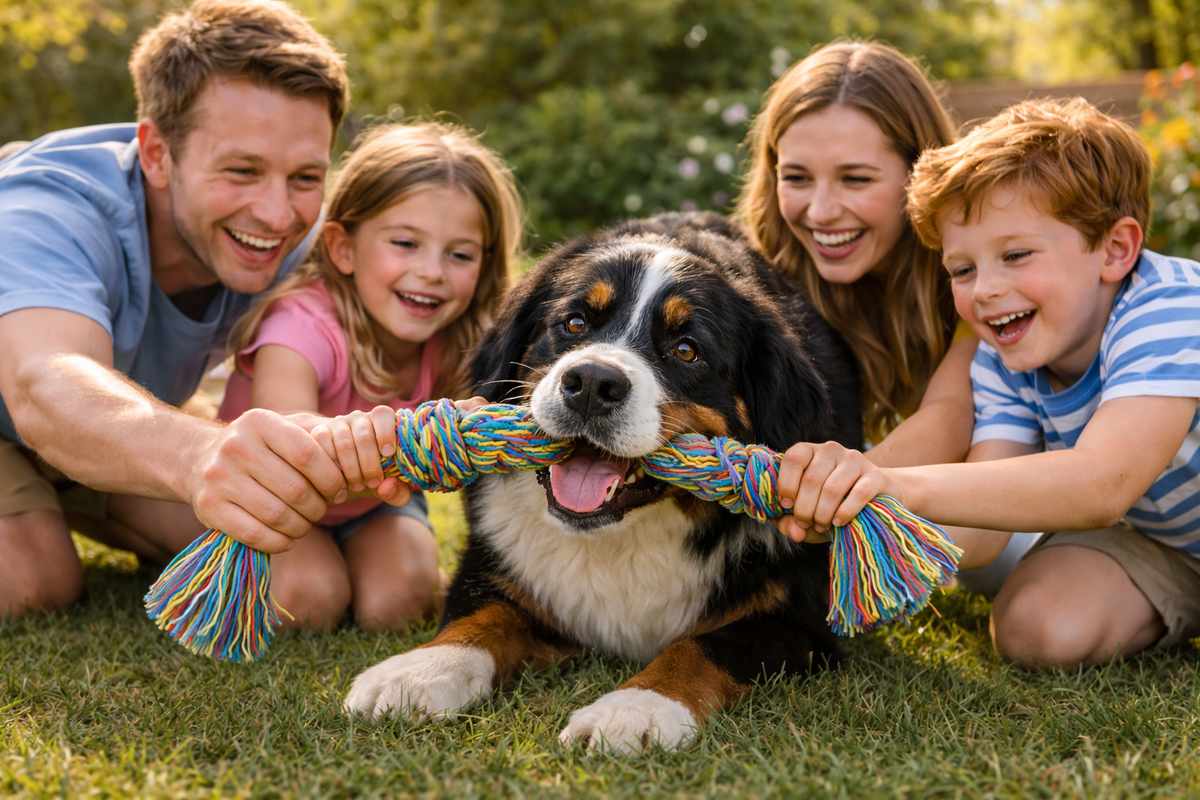
They also have a “stick close” style of loyalty, so they’ll often choose to hang out near the family instead of constantly seeking stimulation. They do best in families who enjoy outdoor time and can handle shedding.
Fun fact: Berners were bred as Swiss farm dogs that worked closely with people, and they still love having a “job” — like calmly following the kids around as if they’re on supervision duty.
Newfoundlands are famously gentle. Often called “nanny dogs,” they’re patient, protective, and slow to react aggressively. Around kids, they’re usually calm and watchful rather than reactive, which is exactly what you want in a big dog.
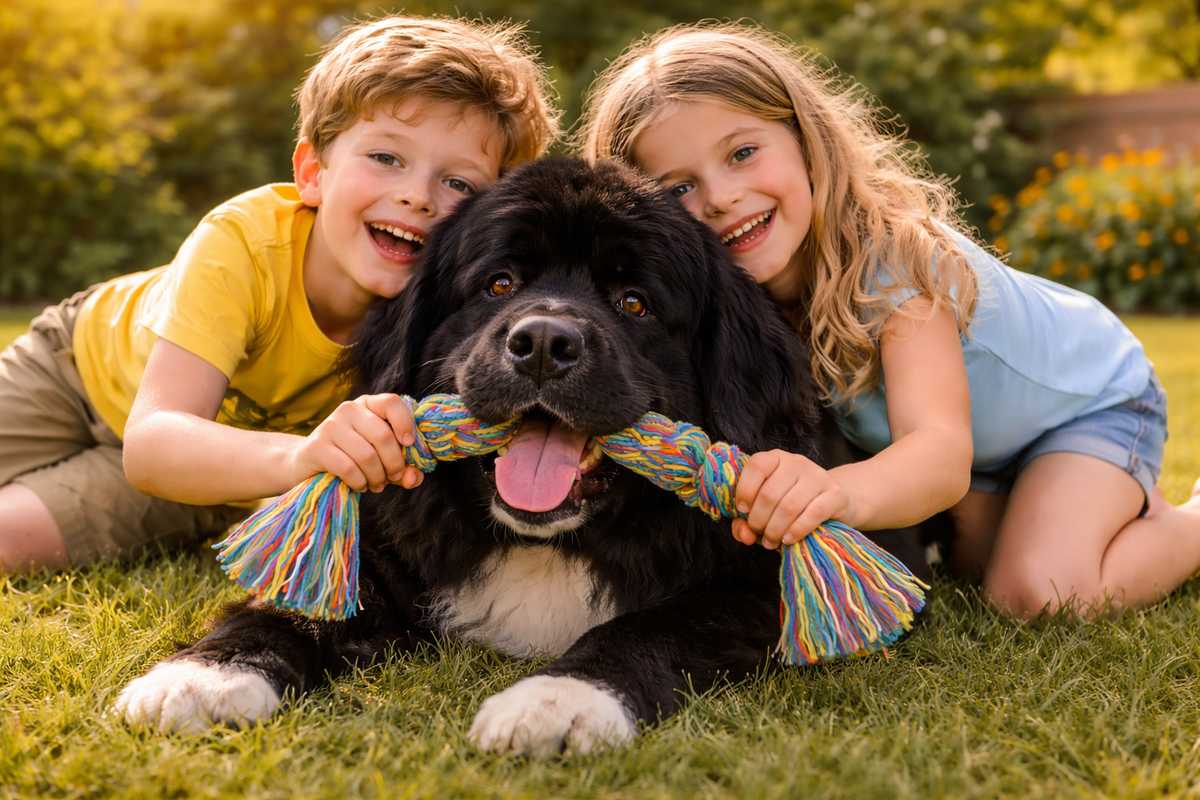
They’re also surprisingly careful with their bodies for their size, often stepping around little ones instead of barging through them. Their size means space and grooming are real considerations, but temperament-wise, they’re one of the most child-friendly large breeds.
Fun fact: The breed’s history is tied to water work and rescue, and until this day, they have an instinct to be vigilant lifeguards for family members around beaches and pools.
Boxers are energetic but emotionally stable. They tend to love kids and enjoy being part of active family life, and they’re the type of dog that treats play like a full-contact sport. Their play style is enthusiastic, so supervision with very young children is important, but with basic manners in place, they’re sweet and people-focused.
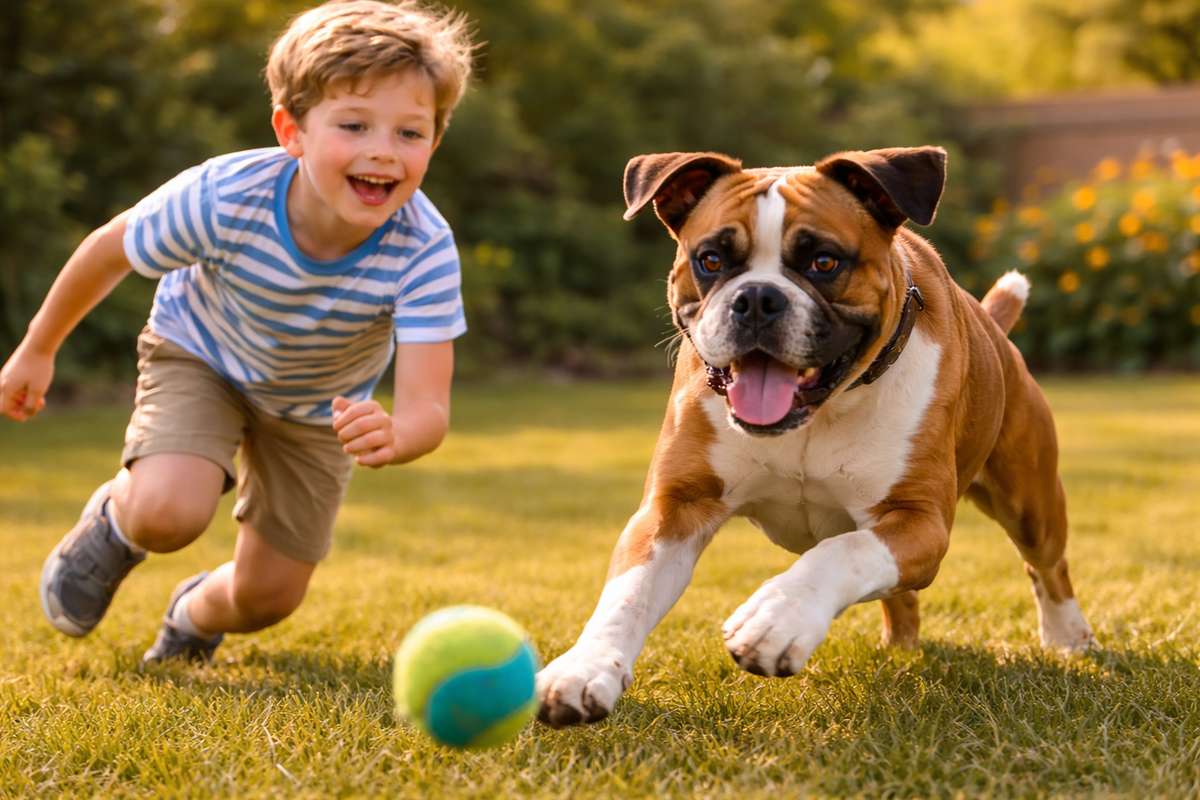
They also bond fast, which is why they often become “someone’s dog” in the family (usually the kid who plays with them the most).
With training and outlets for energy, Boxers always become deeply loyal family dogs.
Fun fact: Boxers are famous for their expressive faces and goofy body language, and they can “perform” on cue — the second kids start laughing, they might ramp up the clown act!
Choosing a family-friendly breed puts you on the right track, but it’s not the finish line. Even the most kid-friendly breeds still need clear rules established early on to cope well — they want to be their best around your family and children, but they need some guidance from you.
This is where knowing a dog’s breed tendencies really helps. Different breeds react differently to training approaches, stimulation, and everyday household noise.
PetsyDNA helps families understand what their dog is naturally wired for, making it easier to set the right expectations and training approach from day one.
When breed insight, early training, and kid education come together, family life with a dog becomes far calmer, safer, and more enjoyable for everyone involved.
There’s no universal best dog breed for families with kids, but there are those that best match your home, your schedule, your kids’ ages, and your family’s overall expectations.
Breed tendencies help set those baseline expectations, but thoughtful choices and consistent guidance shape the real outcome.
Get that right, and your dog doesn’t just live with your family — it grows up as part of it.



Getting your first dog is one of those precious life moments that sticks forever. It’s exciting, emotional, and, if we’re honest, a little stressful. You go from “I want a pup” to “Okay, now I’m responsible for an actual living creature” pretty fast. Type “what are the best dog breeds for first time owners” into […]

Life is busy — but that doesn’t mean you can’t have a dog. Most people who say “I’d love a dog, but I’m just too busy” aren’t making excuses. They’re just trying to be realistic and thoughtful about having a new pup join the family. Long days at work, full calendars, mental overload, and not […]
Apartment living doesn’t mean giving up on the idea of having a dog, it just means you need to be extra considerate about finding the right breed. And in any case, square footage matters far less than training, temperament, energy levels, and how well a dog handles indoor life. Pick the right breed (or mix), […]

When people ask “what’s the largest dog breed?”, they’re rarely talking about the same thing. Some picture a dog that’s almost eye-level when standing next to them, while others think of raw body weight. You know, the kind of dog that feels like a sandbag when it leans on your leg. On top of that, […]

People love debating what’s the strongest dog breed. Sometimes it’s just out of curiosity, other times it’s a pet owner trying to understand why their sweet little furball can pull 10 times their weight like a freight train. And here’s the thing, strength isn’t just about size. We have to take into account bite force, […]

Some dogs are perfectly built for couch snuggles and lounging. Others? Built like furry four-legged rockets. If you’ve ever seen one of these breeds take off, you know the feeling — you merely blink, and they’re already gone, leaving nothing but a rush of air behind them. Centuries of selective breeding, instinct, and muscle memory […]

Some dogs make you smile. These ones make you stare. There’s just something captivating and majestic about the gentle giants — dogs so big they look like they stepped straight out of a fairy tale. Yet behind all that size, you’ll rarely find anything but kindness. Anyone who’s been lucky enough to meet some of […]